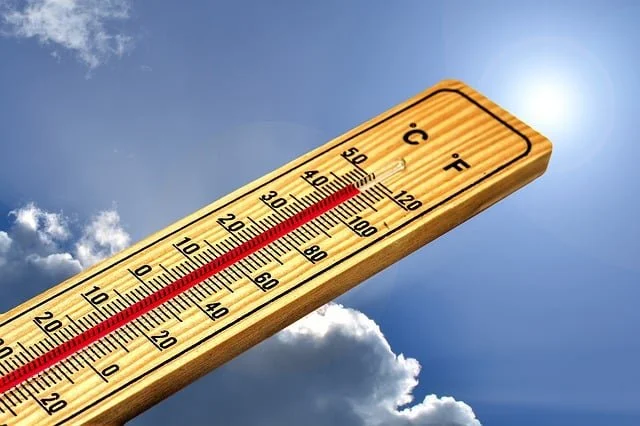
The southeast has been sweltering under a heat dome. Steamy temperatures arrived early this year. I expect 100 degrees in August, but not in late June. My plants are all heat-stressed, showing wilted leaves, reduced flower buds, and general unhappiness. I did not know that livestock animals are similarly affected, but two separate vendors at our local weekend farmers’ market told me their egg harvests had dropped to almost zero because of the heat. One said, “My girls are staging a weather protest.”
Seasoned southern gardeners have experienced these periods of extreme temperatures, but if you are new to the south, here are a few ways to help your garden cope.
A light layer of mulch prevents surface evaporation in your garden beds. Don’t make it too thick, or it will block the easy passage of water from rain or irrigation and provide a handy camouflage route for voles.
Water deep, not often. Early morning is best. Late evening watering can encourage fungal problems, but if I am unable to water in the morning, I prefer the odds of saving thirsty plants over the odds of a fungus. Irrigation in the middle of the day, especially with overhead sprinklers, loses its efficiency because water evaporates quickly in hot air. Sandy soil and containers need more than the traditional “one inch per week” and all gardens need more than that amount when heat is extreme. Some containers may need twice-daily watering if they contain thirsty plants.
Fertilize lightly and water afterwards if you use a pelletized product. Don’t go overboard with the fertilizer, because heat-stressed plants cannot absorb it, and an overapplication may have the unintended effect of damaging roots or forcing new growth that will suffer in heat.
Let me address one problem that I see every year. Hydrangeas tend to wilt on hot days, even when their soil is moist. This is the plants’ attempt to reduce moisture loss. If Hydrangea leaves have perked back up in the morning, the cause is heat, not water deprivation. Do not overirrigate. Soggy soil may lead to root rot.
Dead-head flowers daily to encourage the formation of new buds. Do not be surprised if annuals and perennials take a break from flowering during extended steamy weather. Annuals will likely return to previous flowering rates when cooler temperatures arrive. Perennials may or may not flower again – it depends upon the plant. Rebloomers like Coneflowers will flower again. Once Shasta Daisies have put on their show, they probably will not reflower. Postpone any significant shrub pruning until the “feels like” temperatures drop to two digits.
Harvest veggies regularly. Tomatoes, cucumbers, and melons should be gathered as soon as they are ripe. Left on the plant, they will deter additional flowering. Unharvested, over-ripe vegetables attract wildlife, insects, and diseases. Once herbs start flowering, called “bolting,” they are past their prime flavor and should be pulled. I pull my spent herbs and leave them on the soil around my other crops in the hope that their strong scent will deter critters.
It does not matter how much you coddle your tomatoes, expect reduced flowering and little-to-no fruit set when night temperatures are seventy-five degrees or above. Once night temperatures moderate, they will return to their regular flowering. If the plants have not been affected by blight, that is. I am already seeing yellowed leaves on one of my heirloom tomato plants. Consider starting a few new tomato plants from seeds. You will probably have sufficient time to produce a late harvest before frosts arrive. Do not plant your seedlings in areas where you have grown tomatoes, potatoes, or peppers in the last three years. This family of plants in prone to fungi which remain in the soil to attack again. The selection of a new location, called crop rotation, is a standard procedure of the farmer who must produce a healthy crop for commercial sale.
While you are considering starting a few tomatoes or cucumber seeds for a late season harvest, consider starting cabbage or broccoli seeds soon. These can be planted out in September for a fall harvest. If you find a seed source for flowering/decorative cabbages and kale, you can start yours from seed now and save money rather than buying pricey transplants in October.
Remove weeds as you are able. The worst offenders in my garden beds seem to be unaffected by the heat. When air temperatures are over ninety, the surface temperature of a plant in full sun can be much higher. This is not the time to apply herbicides. Read the fine print on the labels, and you will find the maximum application temperature for any product. I often wonder why the companies that manufacture garden chemicals seem to hide the application rate and temperature range deep in the tiny text, surrounded by warnings. When I pick up a container, I want to know how much concentrate to add to a gallon of water in my sprayer. I don’t really need a reminder to wear gloves, goggles, and other protective gear. I guess there is sound reasoning (and probably a lawsuit or two) that affects the placement, but it is annoying to scour pages of warnings to find the one thing I need.
If you watch any TV or see any other news media, I am certain that you have heard the warnings against becoming overheated or dehydrated. Please, take these warnings seriously. Avoid exposure during the hottest times of the day. If you must be outside mid-day to early afternoon, wear a hat and sunscreen. Consume plenty of water, whether or not you feel thirsty. I overhydrated a few weeks ago, and felt really rotten. Now, I drink one glass of an electrolyte-enhanced beverage to every two glasses of water. While the “heat dome” continues to hover over my home, I will be content to sit indoors under a ceiling fan, sipping a glass of iced tea. Sweet tea, because I am a native South Carolinian.
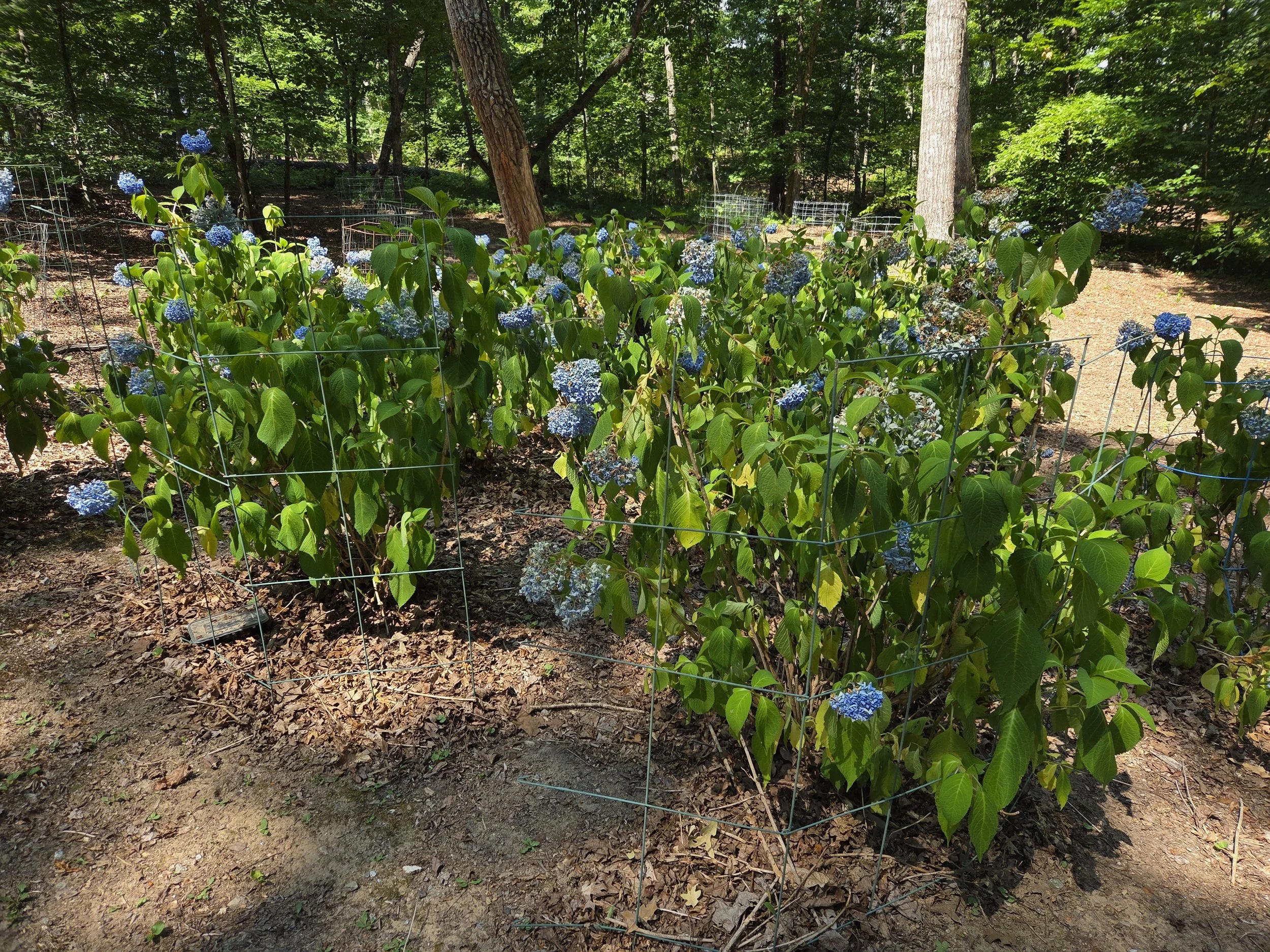
This grouping of Hydrangea macrophylla shows wilted leaves from noon until about 4pm, then recover. This is a reaction to hot air temperature, not a cry for moisture. The fencing is to discourage deer nibbling.