I will go to extraordinary lengths to keep a plant from dying in my garden. Occasionally, I even rescue those almost-dead specimens marked down for final sale at a home improvement store, hoping to nurse them back to health. There are other plant rescuers out there. If you know, you know.
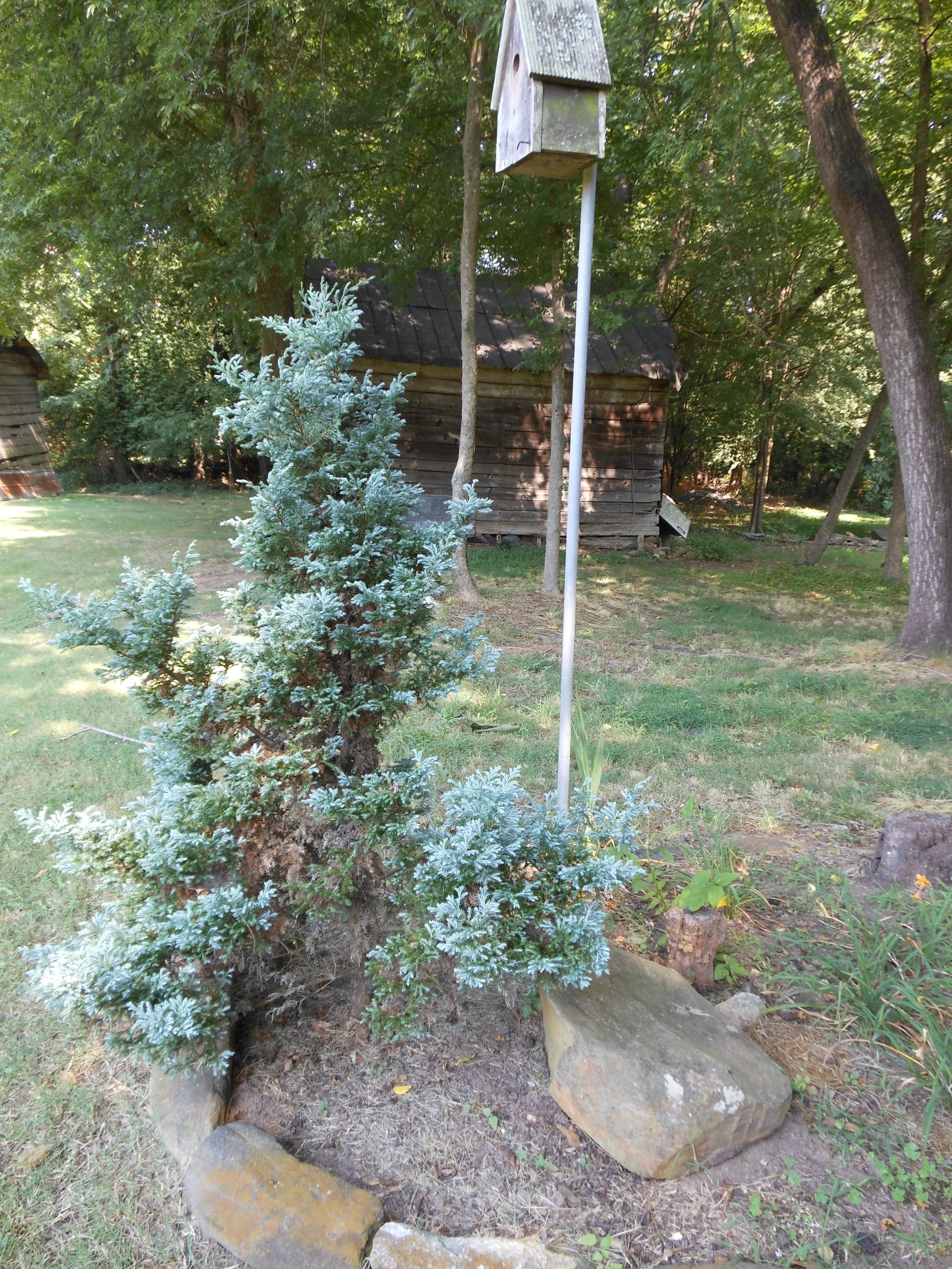
One of my more memorable rescue projects was an upright juniper I found on clearance at a local garden center. The tag was long gone, so its cultivar was a mystery. It had clearly outgrown its too-small pot, and large patches of dead foliage were scattered throughout the plant.
I brought the pitiful specimen home, planted it immediately, and lavished it with attention. Within a few months, fresh growth appeared, but the plant was still dotted with brown needles that shed like a months-old Christmas tree every time a breeze touched it. That’s when I decided to give it the “poodle” treatment, also known as cloud pruning.
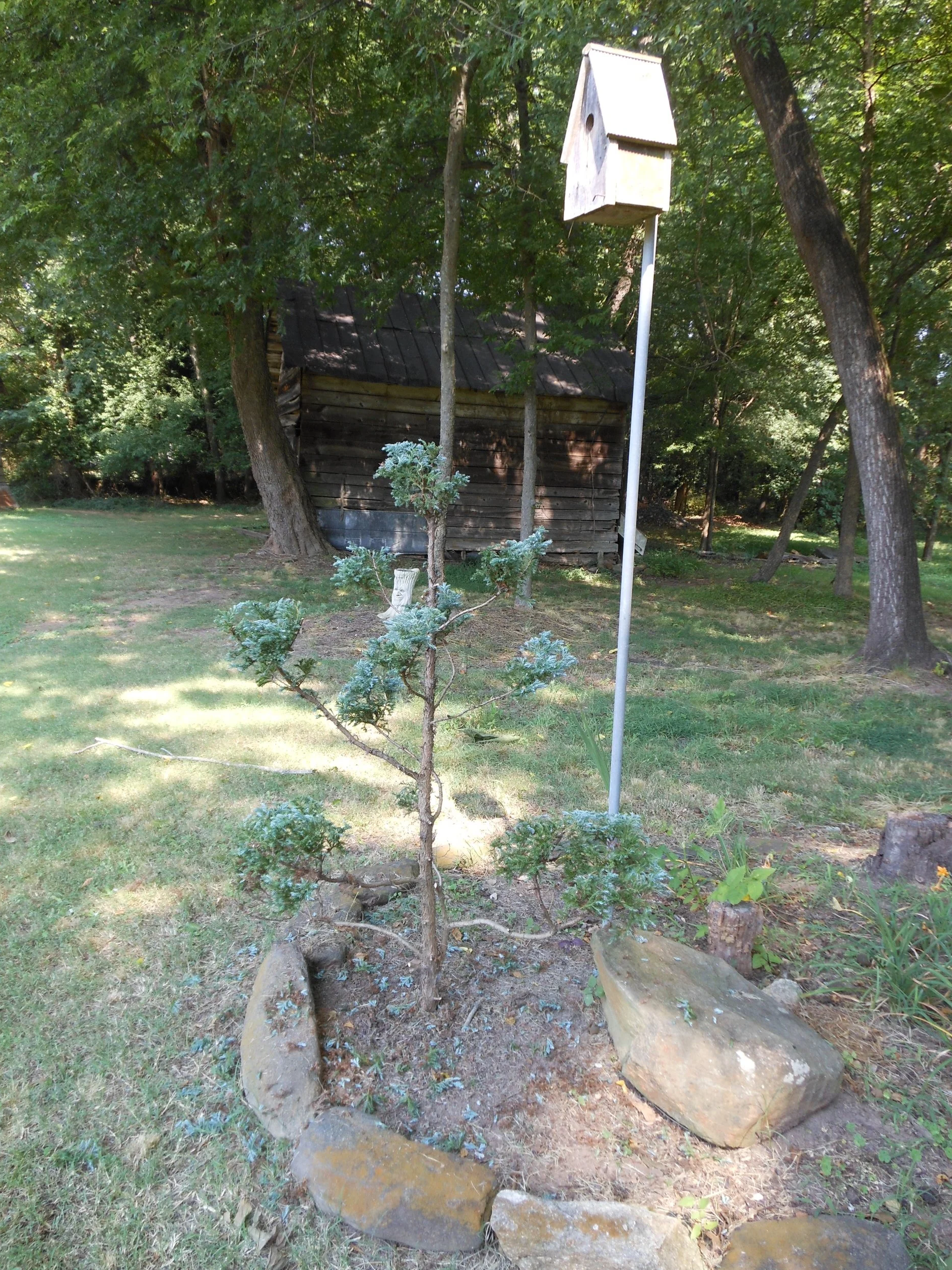
The method is straightforward. Begin by removing all dead limbs and any discolored foliage. Use sharp, clean tools. Then step back and study the plant’s structure. Identify the strongest limbs to keep, and prune away the others with clean cuts flush to the main trunk. The goal is to reveal the trunk and create an open, layered framework. Aim to space the remaining limbs evenly and horizontally around the trunk, like the spokes of a wagon wheel. Go slowly, as once limbs are gone, they cannot be recovered.
Once the heavy pruning is complete, switch to hand clippers. Remove foliage closest to the trunk while allowing growth to remain at the outer tips of each limb. With a light touch, shape these tufts into rounded or oval forms (think soccer balls or footballs) to create the cloud effect.
Because poodling is a radical treatment, the plant will need extra attention to recover. Provide consistent water and fertilizer to encourage vigorous regrowth. As new growth emerges, use utility scissors to refine the outer edges of the pom-poms. In late spring or early fall, remove any aggressive shoots that threaten to disrupt the shape. Patience is essential. It may take a year or two for a plant to complete its transformation from nearly-dead to camera-ready.
Trees that respond well to this style include junipers, pines, cypress, privet, and yew (Taxus). Young plants are easiest to train, but even older, unattractive specimens can be transformed from ugly ducklings into swans. Fast-growing plants such as privet may require shaping several times a year, while slower growers may need attention only once per year. In Japan, this pruning technique is known as Niwaki, and has been elevated to an art form. If you are a visual learner, check out the many demonstration videos available on YouTube.
When done correctly, poodling or cloud pruning produces a plant that resembles bonsai. The key difference is that bonsai are grown in containers, while cloud-pruned trees and shrubs are cultivated in the ground.
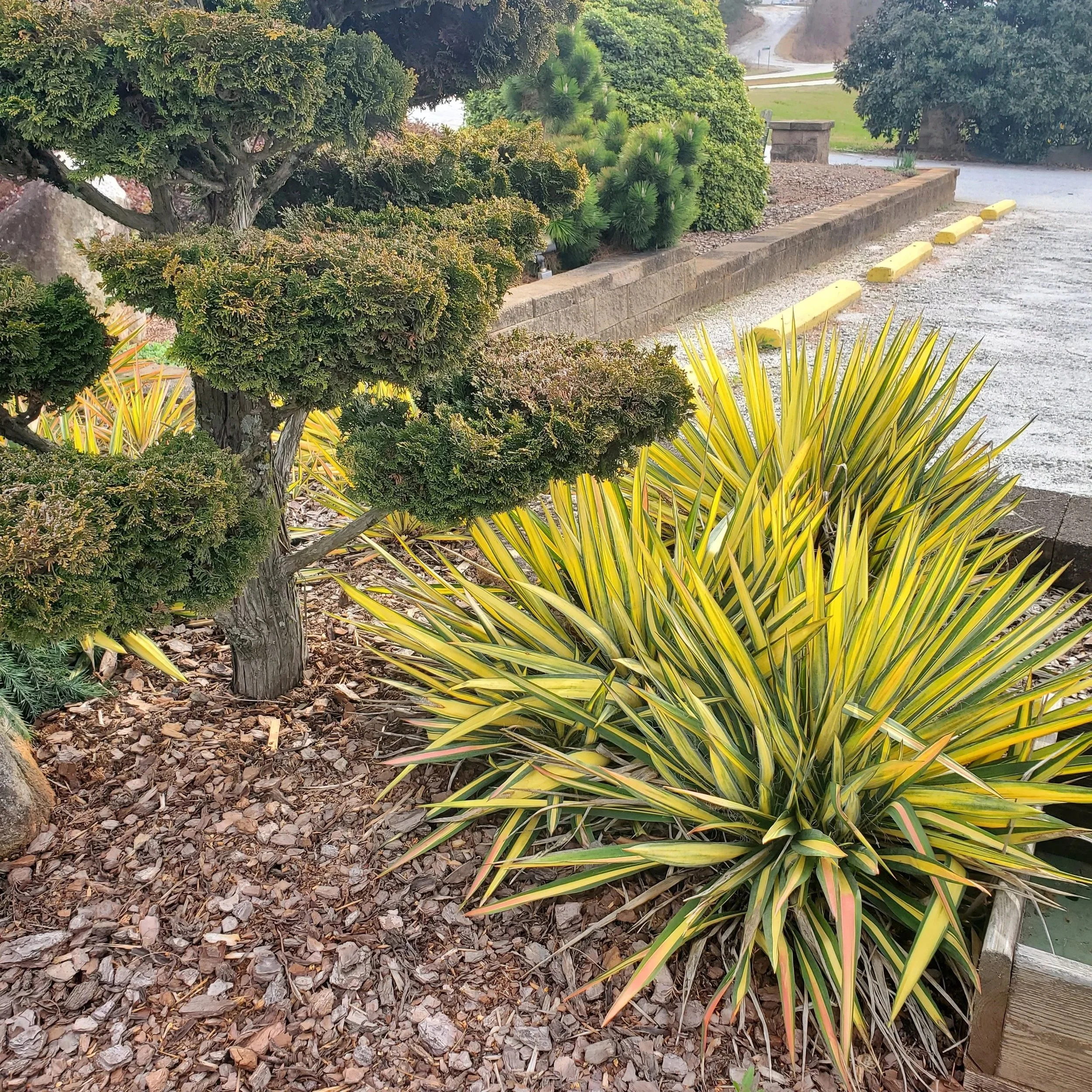
Near this commercial parking lot, a poodled conifer makes sharp contrast with Colorguard yucca. The photo was taken in winter, when there was little else of interest in the garden islands.
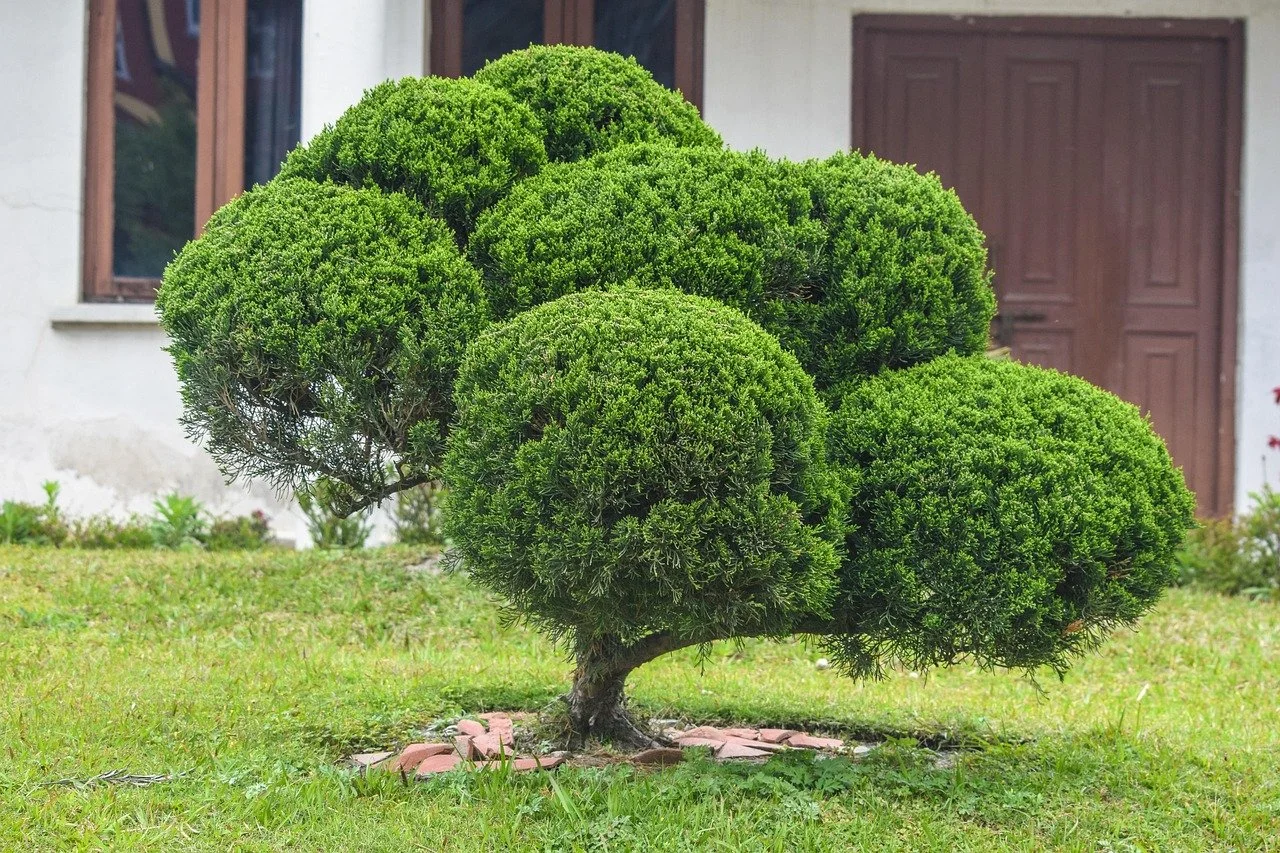
In this example of cloud pruning, the pom-poms are so close that they do not allow one to see through.