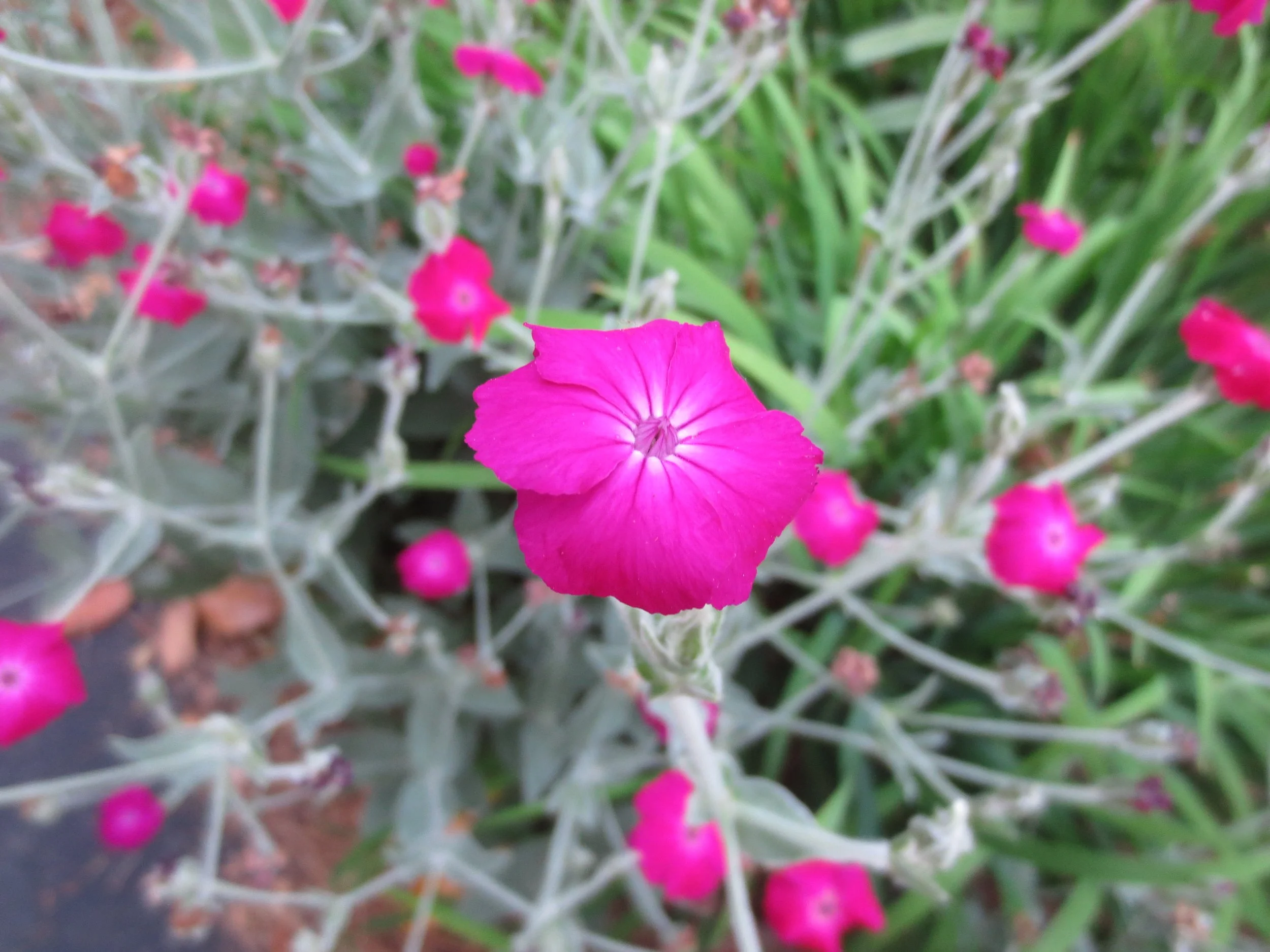
It’s easy to imagine lovely garden features. Daydreams are free; installation and maintenance are not. Some of the ideas that capture our hearts turn out to be far more demanding than we anticipated. Let me share a couple of personal experiences.
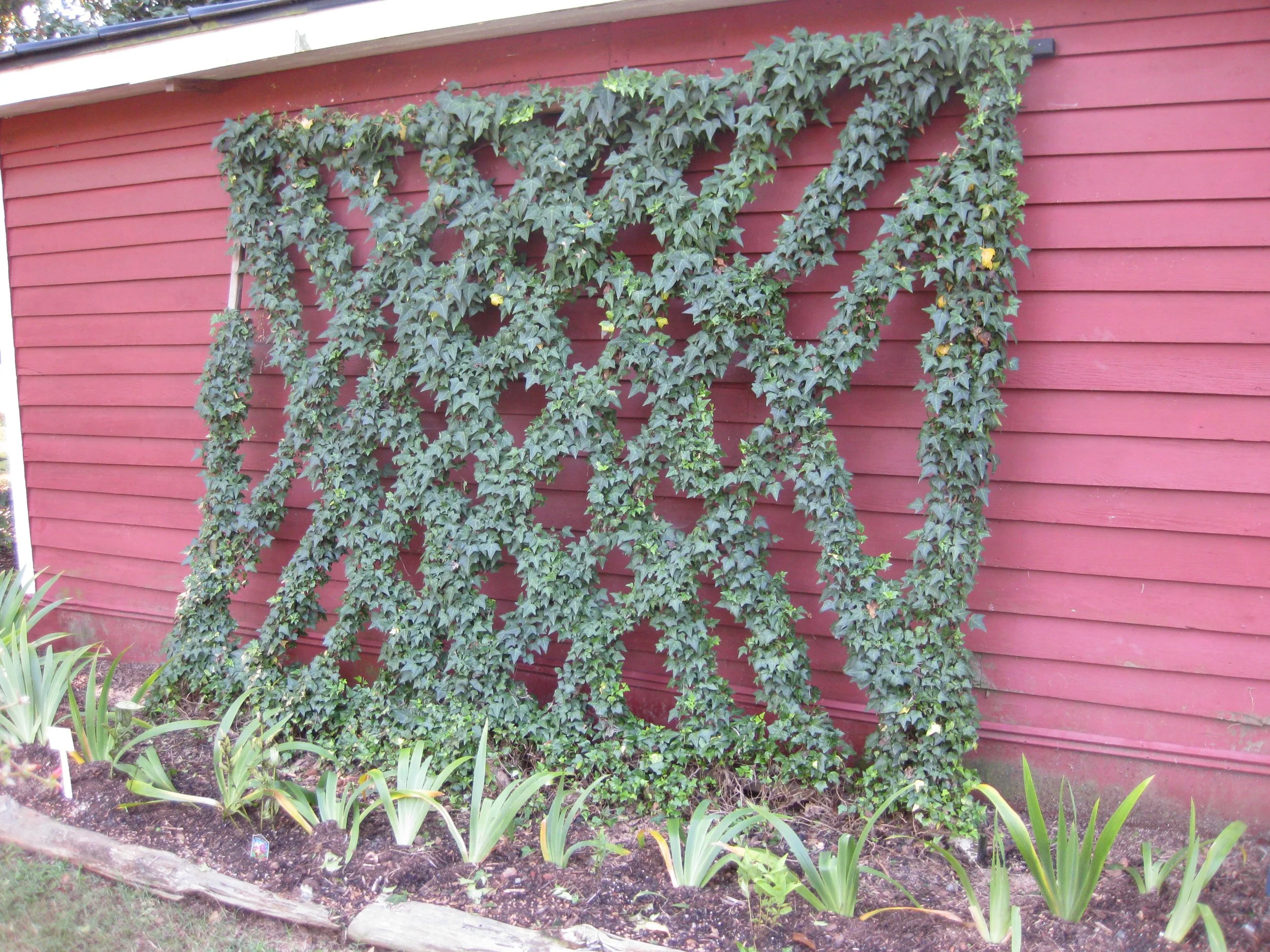
Years ago, my husband and I visited the UK, where I saw what appeared to be a living fence. A simple wooden frame was strung with diagonal wires, and a vine had been trained into a precise, lattice-like pattern. I learned it was called a Belgian fence, often used to block unpleasant views. That image lodged itself firmly in my brain and waited there until I had no choice but to attempt one in my own garden.
I read everything I could about Belgian fence construction, then built my own. First steps were to sink base posts deep into the ground so that a heavy, vine-covered wire trellis would be securely supported. I built a seven-foot square frame out of treated wood and attached it to the sunken supports with metal hinges so that I could lay the unit down should I need to maintain the building behind it. I secured the top of the frame to the building with more screw hooks and two lengths of lightweight chain. So far, so good. I screwed eye hooks into the frame at measured intervals and ran diagonal wires across to create an open trellis. Finally, I planted several small-leaf ivy plants at the base of the frame, watered, fertilized, and hoped.
It didn’t take long until the ivy did what ivy is supposed to do – It started twining around the wires and growing its way to the top. Unfortunately, I installed the fence and its sunken base a mere 24 inches from the ugly outbuilding it was meant to conceal. The ivy quickly ignored my carefully placed wires and reached instead for the wooden barn, attaching itself with sticky aerial roots. This resulted in monthly pruning sessions and the constant addition of wire to redirect the plants where I wanted them to go. After four years of effort, the fence finally achieved full coverage. By then, I was so tired of maintaining it that I promptly removed the entire thing.
Not content with having one time drain in my garden, I announced my intent to install a bed of hybrid tea roses along the side of our Victorian farmhouse, where I could sit on the veranda and enjoy flowers and fragrance. My husband (I refer to him as Saint Jim because of his never-ending patience with my “projects”) tried to convince me otherwise, but politely stepped aside to allow me to fail on my own.
Planning the rose bed was a great deal of fun. I perused books and even joined the American Rose Society so that I would have access to their manual on selecting roses. The manual was priceless, since it numerically rated the success of roses across the US. I learned which ones were stingy bloomers and which ones were more prone to insect and disease damage.
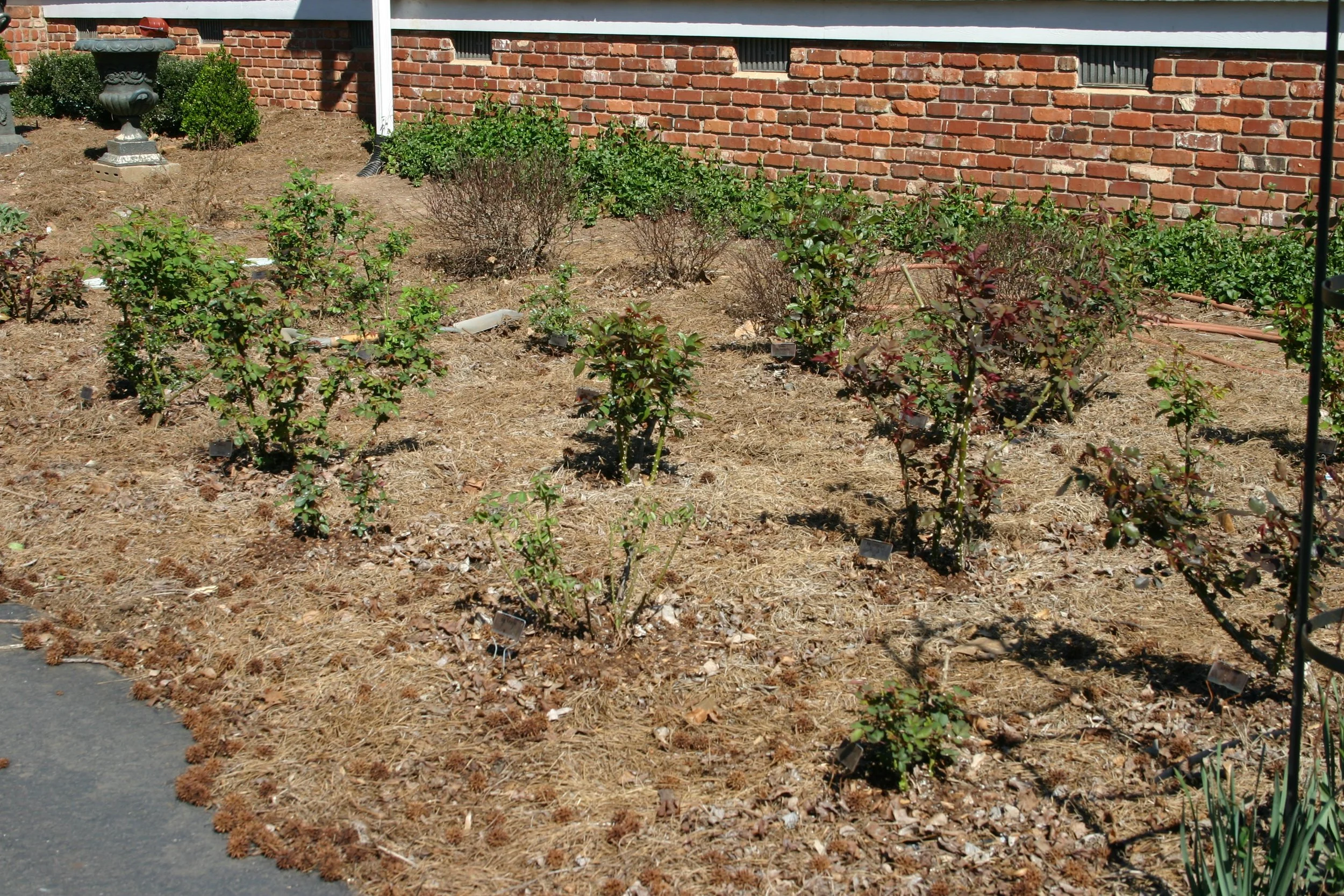
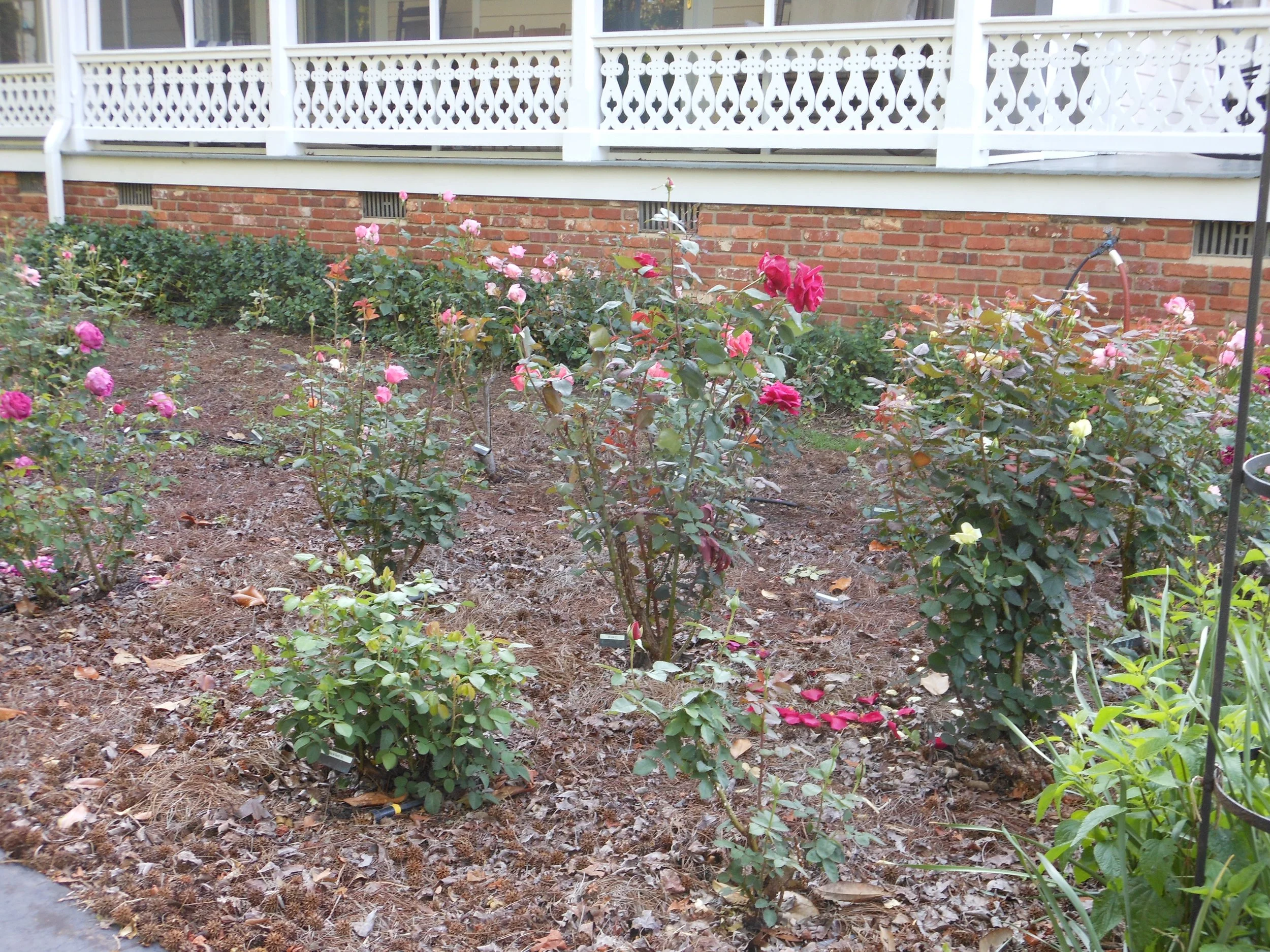
Spoiler alert: After installing 26 roses, a combination of hybrid teas, floribundas, grandifloras, and one China rose, I learned the sad truth. ALL roses grown in the humid southeast are prone to diseases (especially black spot) and insects (especially thrips, aphids, Japanese beetles). They were lovely when they were in flower, homely when they were not. I grew tired of spraying and pruning and more spraying. In a few years, the rose bed was a distant memory and a life lesson.
This blog is not meant to be a downer. I just want to share that not all beautiful garden features in other locations can be replicated in your own garden without extensive time and trouble.
Next week: A few more time-intensive projects you might want to reconsider.