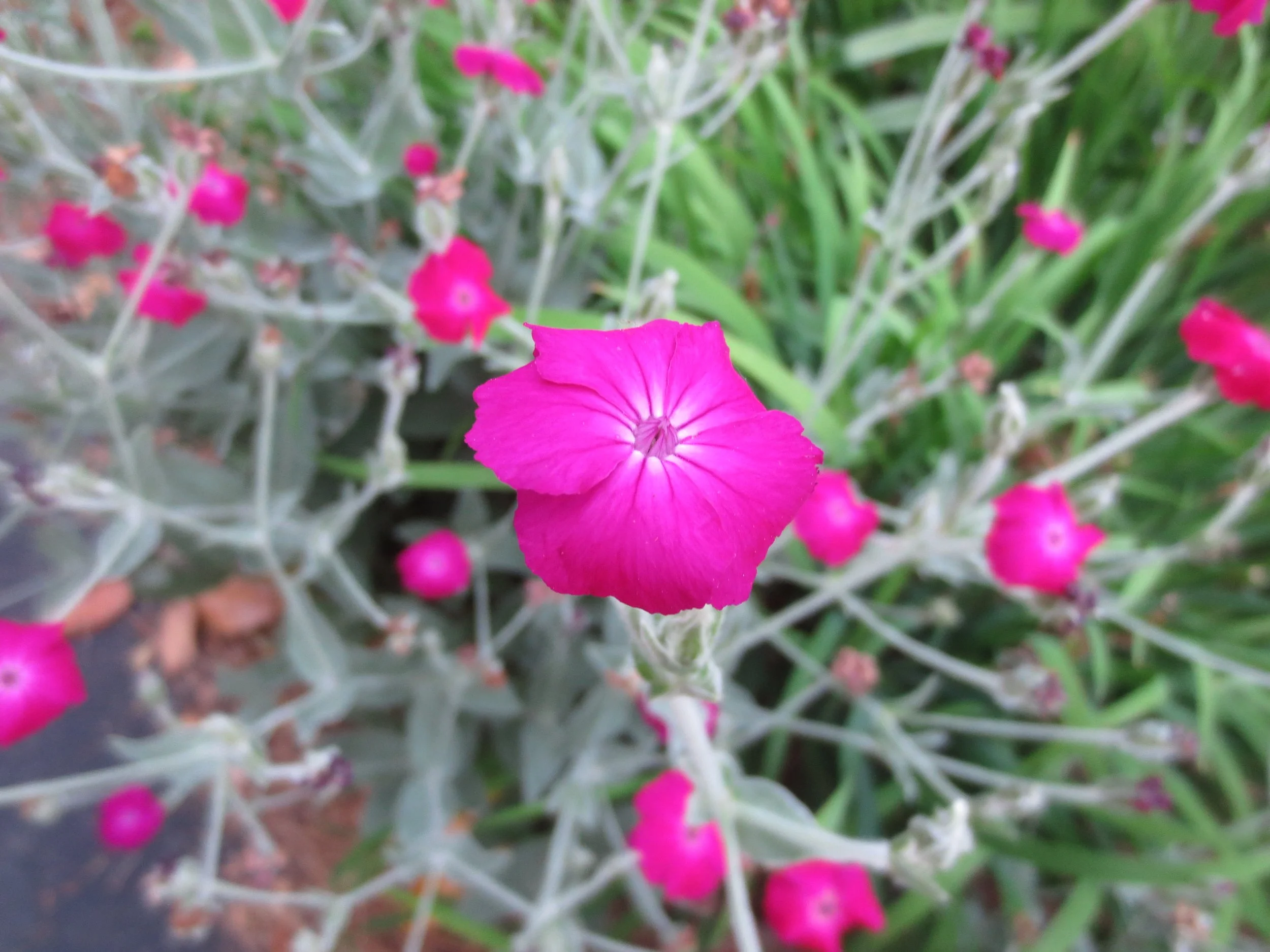
For those of you who have been eagerly waiting the go-ahead for shrub pruning, now is the time to cut back (if needed) those shrubs that flowered in earliest spring. Azaleas, Lilacs, and Forsythia can take a pruning now. If you wait until July, you will be removing the buds which will become next spring’s flowers. Please use hand pruners and cut stems to varying lengths so that new growth will make the shrub look full and lush.
Unless you are intentionally grooming shrubs into topiaries, do not use battery- or electric-powered hedge trimmers to transform them into cubes, pyramids, or round balls, commonly called “meatball” pruning. I see this crime against nature most often with Loropetalum. I understand – many Loropetalums grow much larger than their labeled size. As the National Garden Bureau says, save meatballs for spaghetti night.
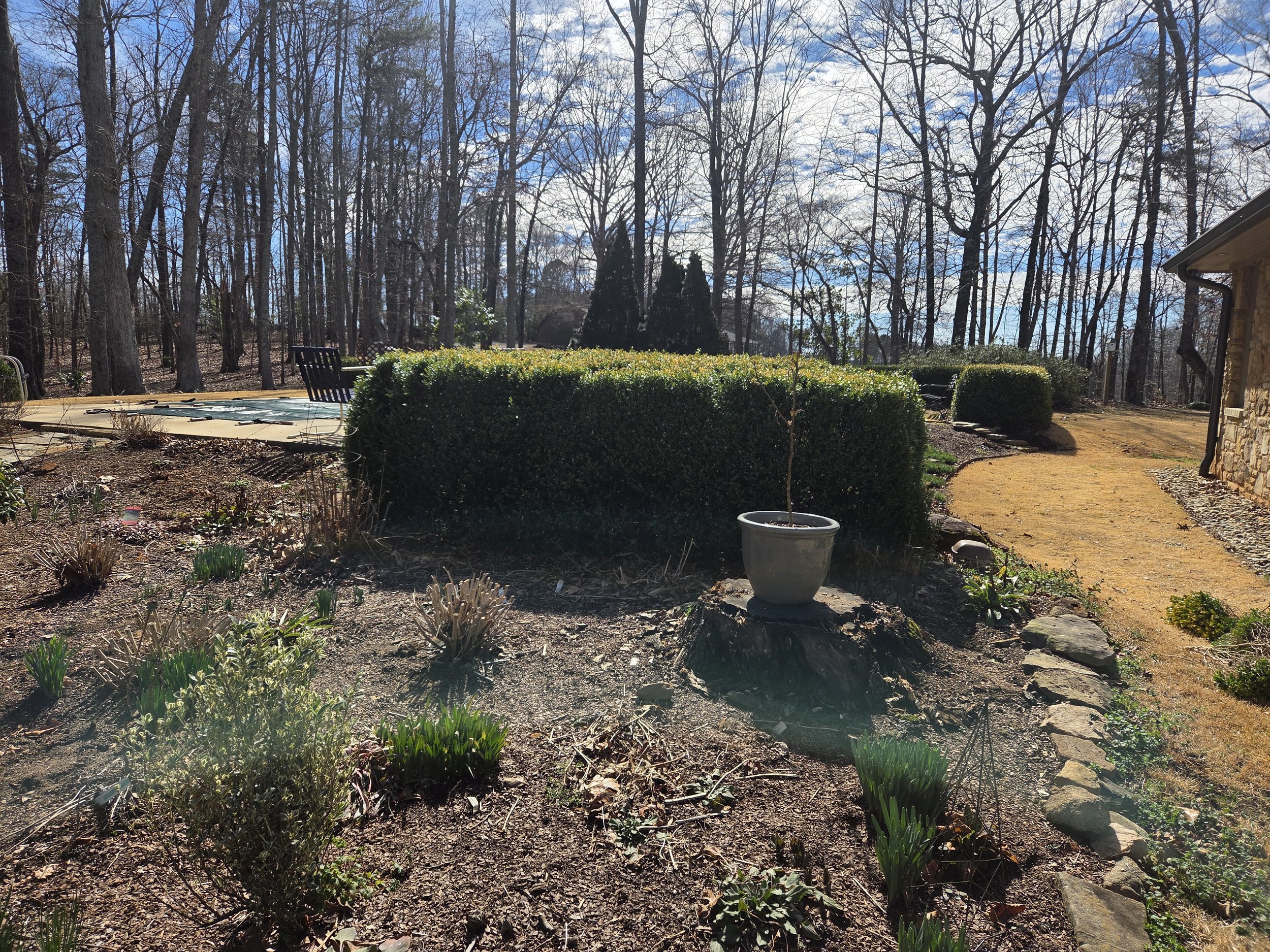
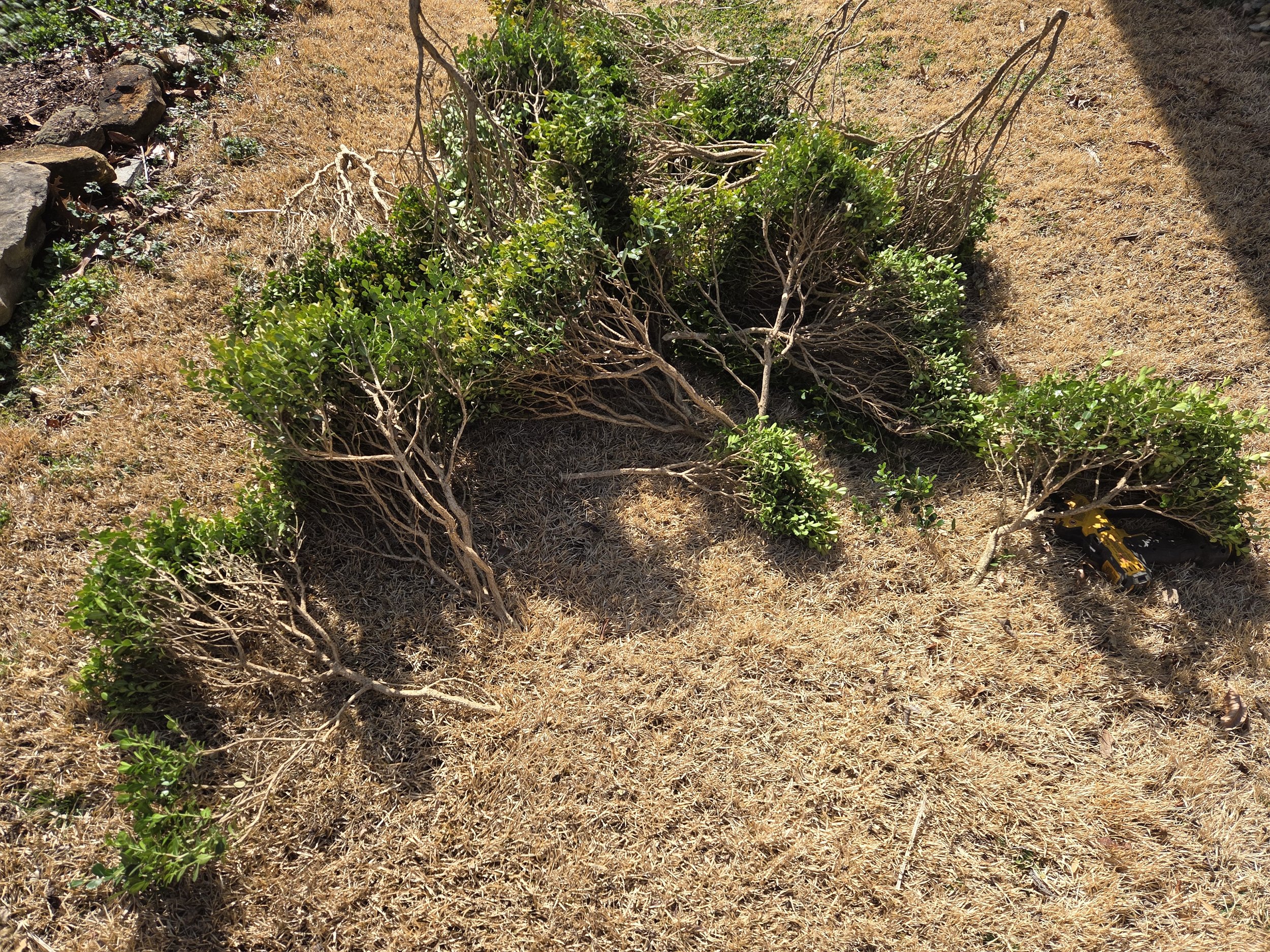
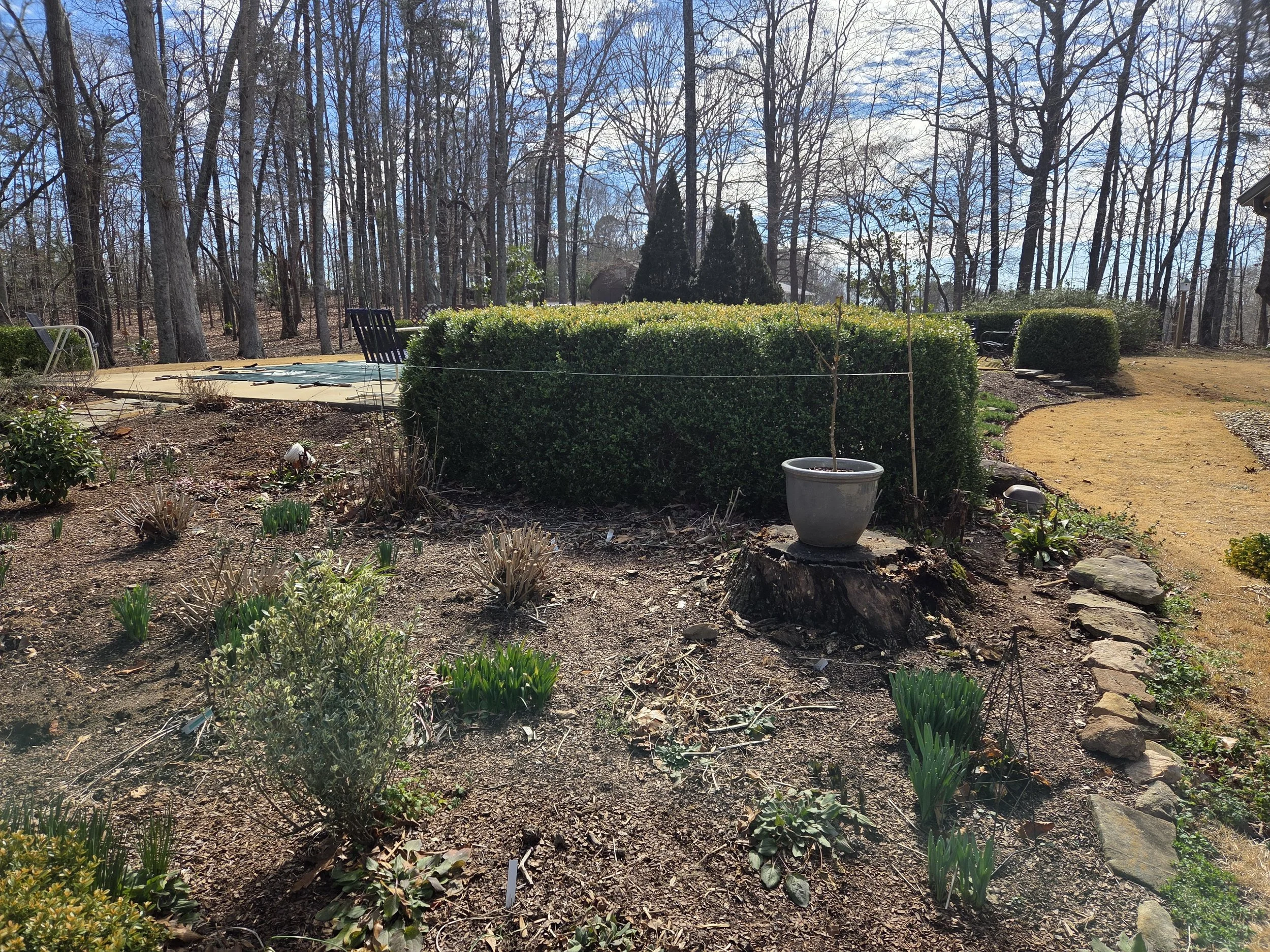
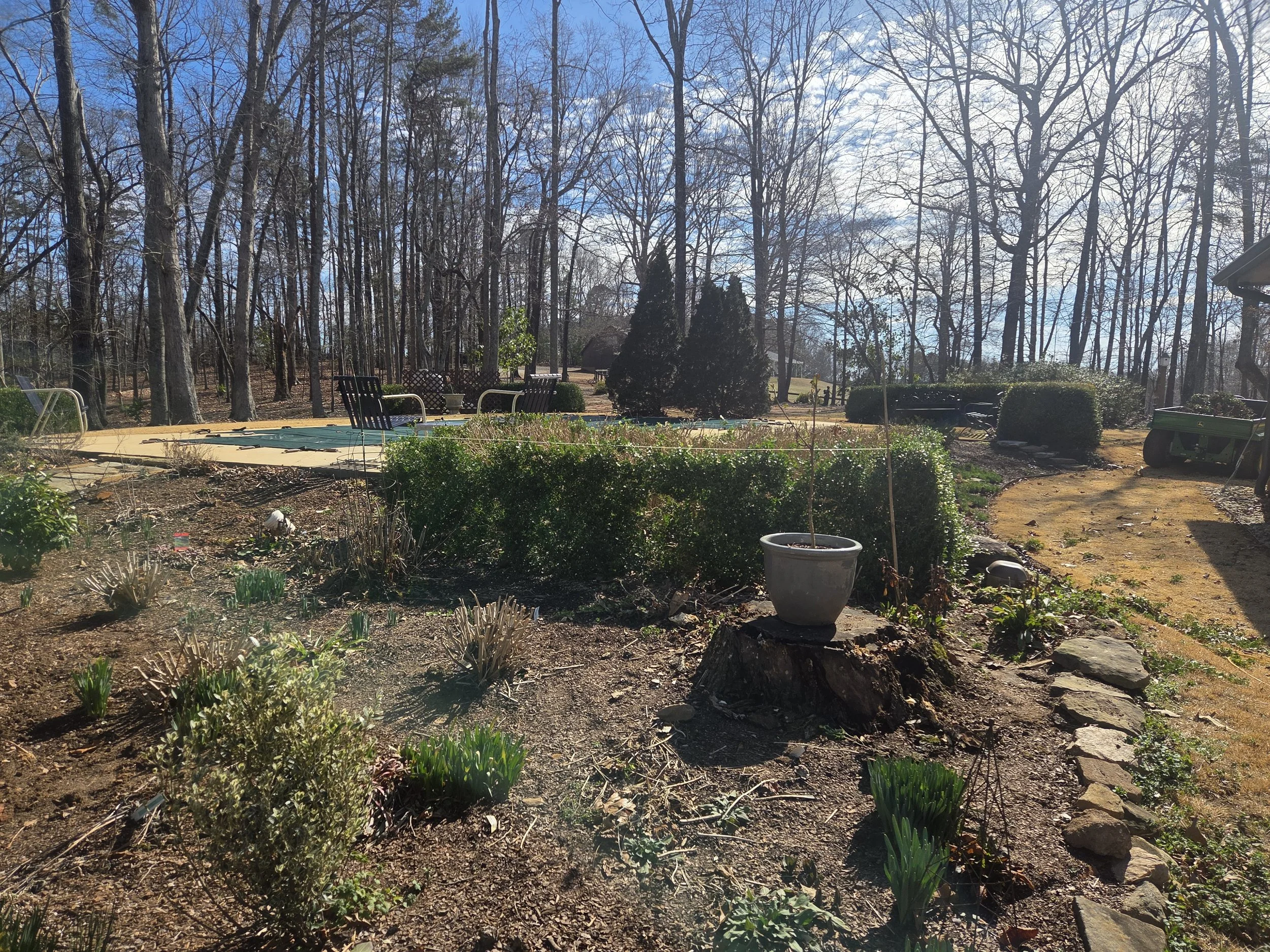
Don’t misunderstand. I have nothing against boxwoods in containers, trimmed into shapes. I appreciate the formality this can lend to an overall landscape design. My own garden has L-shaped boxwood hedges at the four corners of the pool, where they provide a little privacy for swimmers and prevent leaves of nearby oak trees from blowing into the water. It has taken several years for me to transform these hedges into a healthy condition. As is so often the case, the former owners had trimmed them to be wider at the top than at the bottom. The lower limbs were shaded by the upper growth and consequently the bottom third was leafless and ugly. In profile, the hedges looked like a Yield sign. I have gently coaxed them to be slightly narrower at the top than the bottom, and they have responded with a growth flush near the bottom. The hedges had grown to be taller than I am, so this season I opted for a major height reduction. Instead of hacking them to half their former glory, I first reached deep within the interior and removed the largest, oldest branches. This is “thinning,” as opposed to “shearing.” Once the selective pruning was complete, I did an overall size reduction, but opted to limit my shortening to approximately 75% of the initial size. This combination of cuts allowed sunlight to reach the interior and caused new growth the generate from dormant buds. It has been a few weeks, and they are well on the way to a renewed, healthy appearance. It is almost as if they are thanking me for bringing them light. Prune thoughtfully. Limit reduction to no more than 50% of the initial size to avoid shocking the plant.
So…What should you do about that Loropetalum that you need to prune hard two or three times every year just to keep it from covering your windows? My recommendation is to remove it and plant it in another location where it can grow unrestrained into its natural, loosely arched shape. Fill the empty space with a plant that will fit the desired size when it is mature. The replacement may look undersized for a year or so, but think of all the time you will save by not pruning. There are many, many dwarf shrubs available in the market, and more introductions every year. Know your soil type, sunlight exposure, and ideal shrub height before you go plant shopping, and then trust the recommendations of an employee at a dedicated plant nursery or garden center.
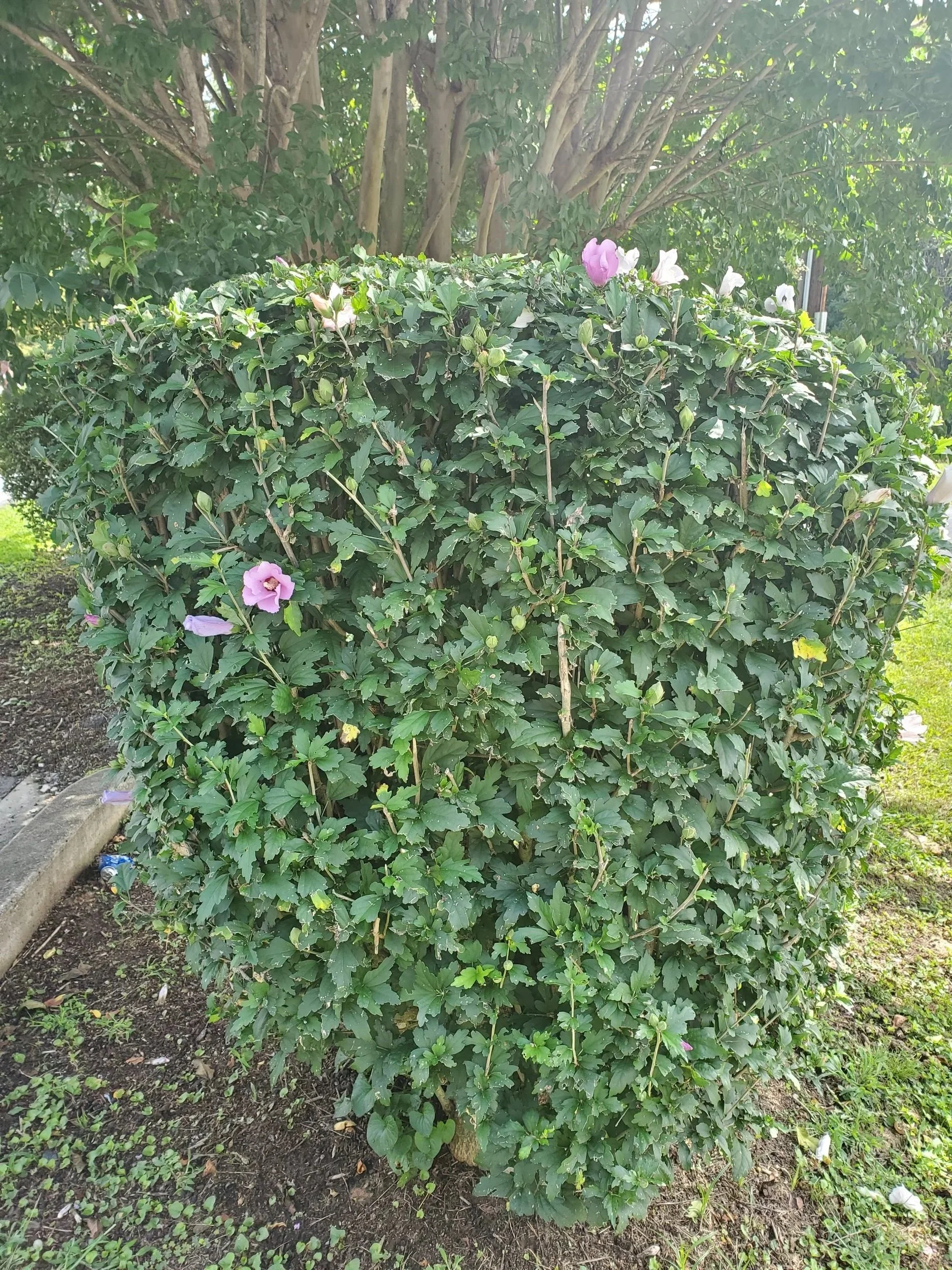
I saw this in a restaurant parking lot. It made me sad. Please don’t prune like this.