In addition to the Belgian fence and dedicated rose garden I discussed last week, here are a few garden projects that may require more of time investment than is obvious during the planning stages.
Water features and fountains. The sound of trickling water is soothing. Few garden features are as peaceful as a backyard waterfall or flowing pond. The moist environment offers a perfect location for damp-loving plants, either growing in the water or surrounding it. Koi fish add a magical dimension. I could stand and watch them swoosh around for hours. The downside is that raccoons, herons, and even the neighbor’s cat are also attracted to koi. You can take steps to protect your fish from becoming dinner by making a deeper pond reservoir (2-3 feet deep), creating hiding spots with stones, pipes, or tunnels, or draping the area with protective netting. Netting has the downside of catching leaves that must be removed for the best appearance. Without it, leaves sink, rot, encourage algae growth, and clog filters. Your location will determine frequency of cleaning. Temporarily lowering the water level makes the task a little easier, but it’s never fun. Water quality must be monitored to maintain clarity without harming the fish or damaging the circulating pump. Pond liners will eventually leak and pumps will eventually need replacement. Be sure to factor in the ongoing maintenance expense beyond the initial plumbing, electricity, and installation expenses. A deeper pool may also present safety concerns if your garden is accessible to children.
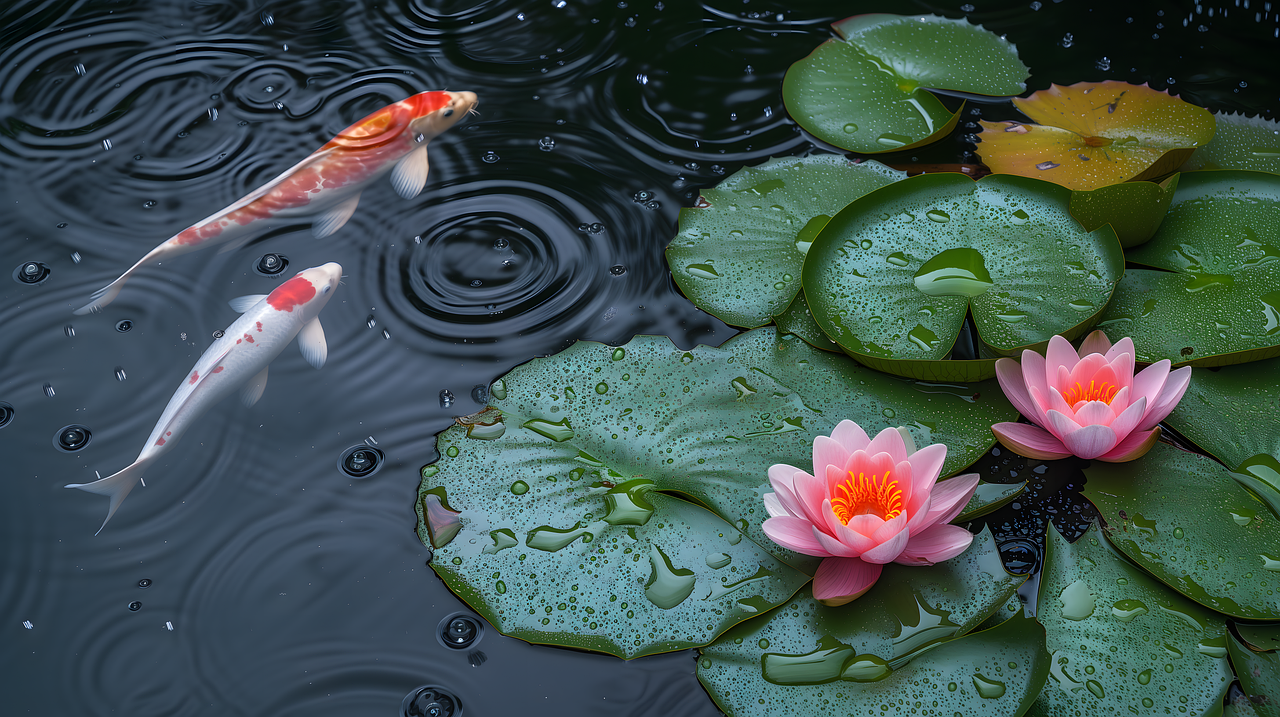
Koi and water lilies
Fountains are not as time consuming as ponds, but they still require regular maintenance to remove algae, leaves, and debris. Any stagnant water encourages mosquitos. Large fountains are heavy and expensive; smaller fountains are more vulnerable to freezing and breakage.
Wildflower meadow gardens. Imagination paints a mental image of multicolored flowers swaying in the breeze, punctuated by tall clumps of native grasses. Sadly, the reality is less romantic. For most species, the flowering window lasts only a few weeks. Good friends of mine moved into a new home with a large, sloped front yard and wanted something more interesting than lawn. They hired a well-known native plant professional to design and install a wildflower meadow. The area was tilled and sown with a combination of seeds selected for staggered bloom times. Birds immediately feasted at the new seed buffet, leaving a few bare areas. The wildflowers came up in patches – but so did the native blackberry bramble, horse nettle, dock, pigweed, dandelions, and assorted other nasties. The amount of time and energy spent removing these by hand was overwhelming. In theory, the wildflowers should have reseeded themselves for future years but this meant no mowing could be done until all late fall. The result was a bedraggled landscape that looked abandoned. No matter what internet photos show you, there will be a time period when a wildflower garden looks unkempt.
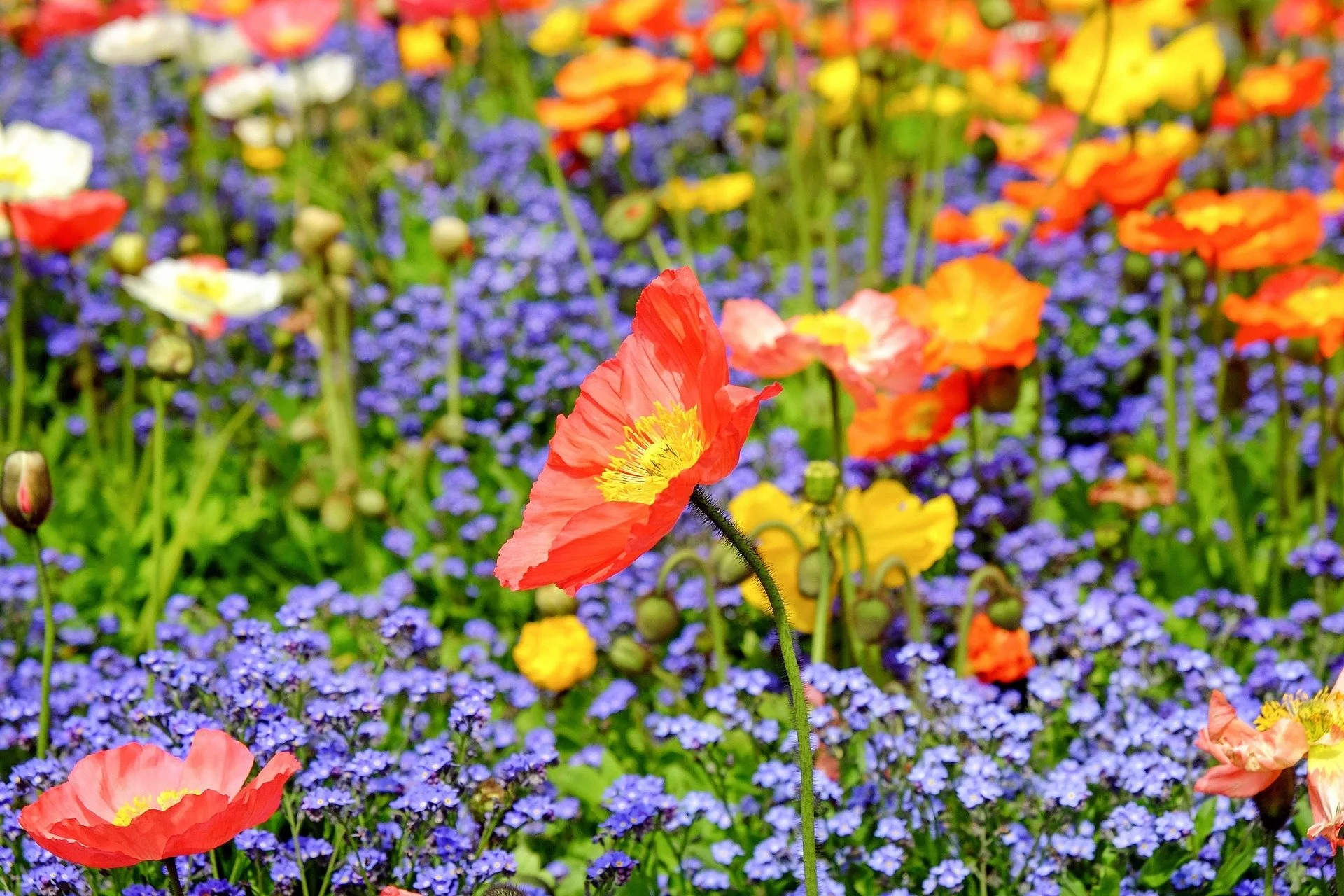
A wildflower bed at its best, early spring
Formal knot gardens and parterres. These designs appeal to gardeners inspired by formal gardens in England, France, or Italy. Yes, you can create boxwood hedges trimmed into intricate shapes. For the perfect appearance, the area must be flat, must be weed-free, and must be trimmed frequently. A tight pattern means limited access space, so you must also be a bit of a contortionist. Any concentration of the same plants, known as a monoculture, invites disease. If a single plant fails, or if a dog decides to mark his territory, the beauty of symmetry is upset, at least temporarily. And, oh my goodness, the time required to maintain the tight design.

A highly maintained knot garden at the Chateau de Villandry
Topiary. Topiaries require frequent, careful trimming and, if we are honest, something of an artistic skill. There are two types of topiary, one in which the plant provides the entire structure and the other in which a metal frame is stuffed with a growing media (sheet moss, coir, soil, grow bags) and usually some type of concealed watering system. The shape of the frame dictates the result. The stunning examples seen in botanical gardens are typically maintained by paid staff (see photos below).
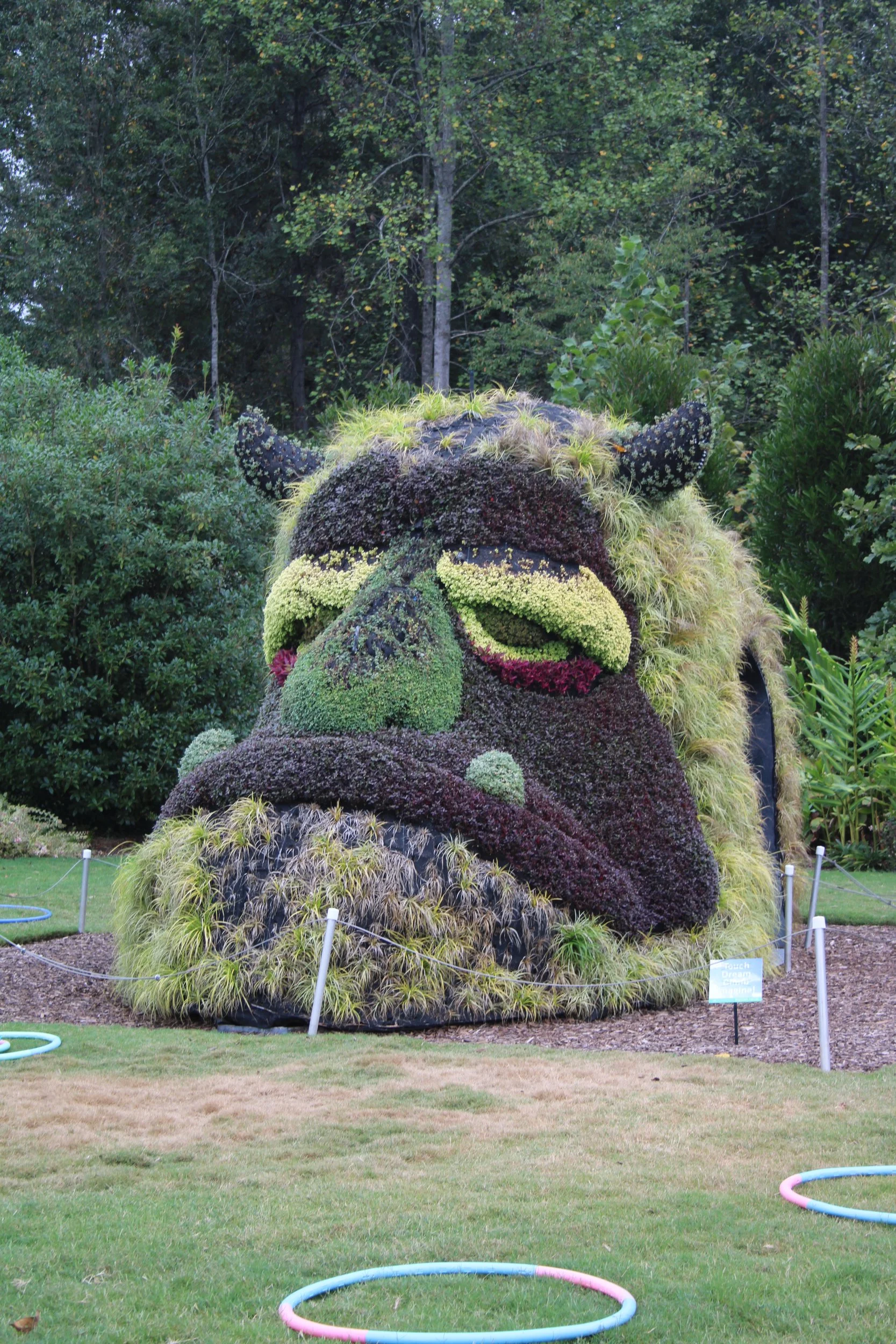
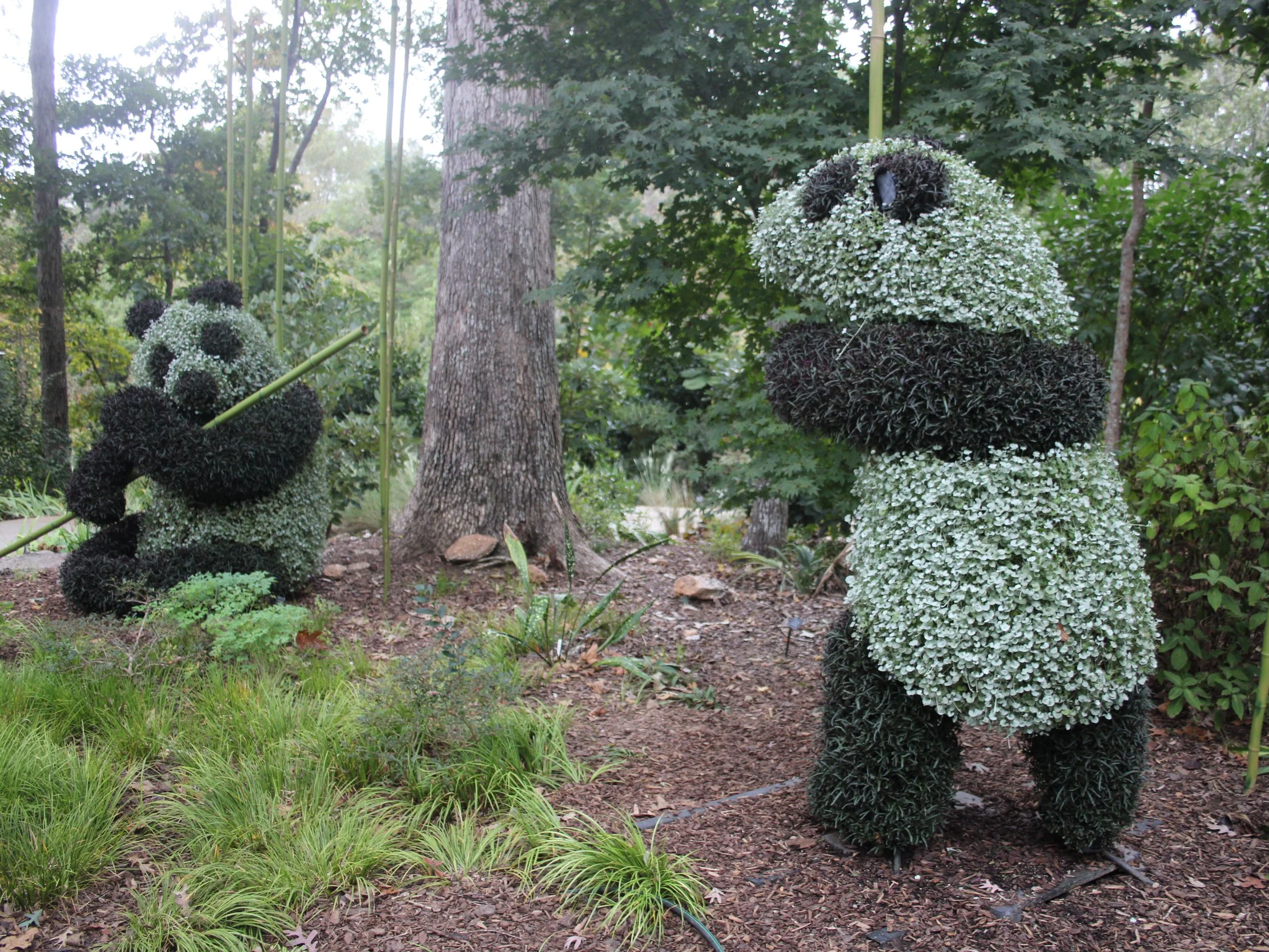
I don’t have the time, talent, or desire to recreate something this elaborate in my own garden. I love the appearance of topiary, and recommend a visit to the Pearl Fryar Topiary Garden in Bishopville, SC. To satisfy my simple desires, I trimmed Compacta hollies (Ilex crenata ‘Compacta’) into a series of cones on either side of my front entry walkway. They required pruning three times a year, which did not feel burdensome because I enjoyed lighting them at Christmas, where they resembled holiday gumdrops. (Sounds cheesy, but I loved them.) I did the same for a pair of Osmanthus ‘Goshiki’ on the shady side of the garage.
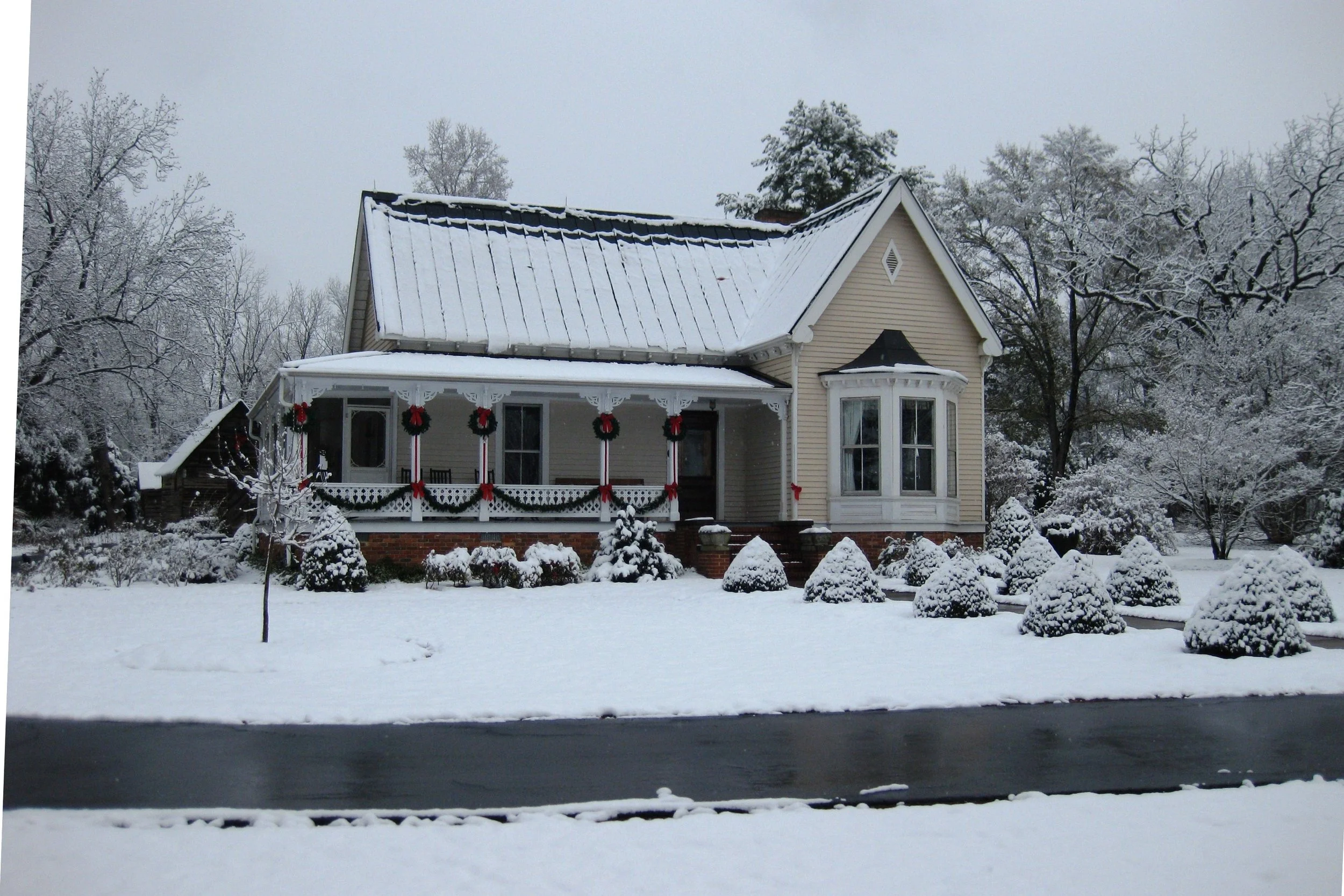
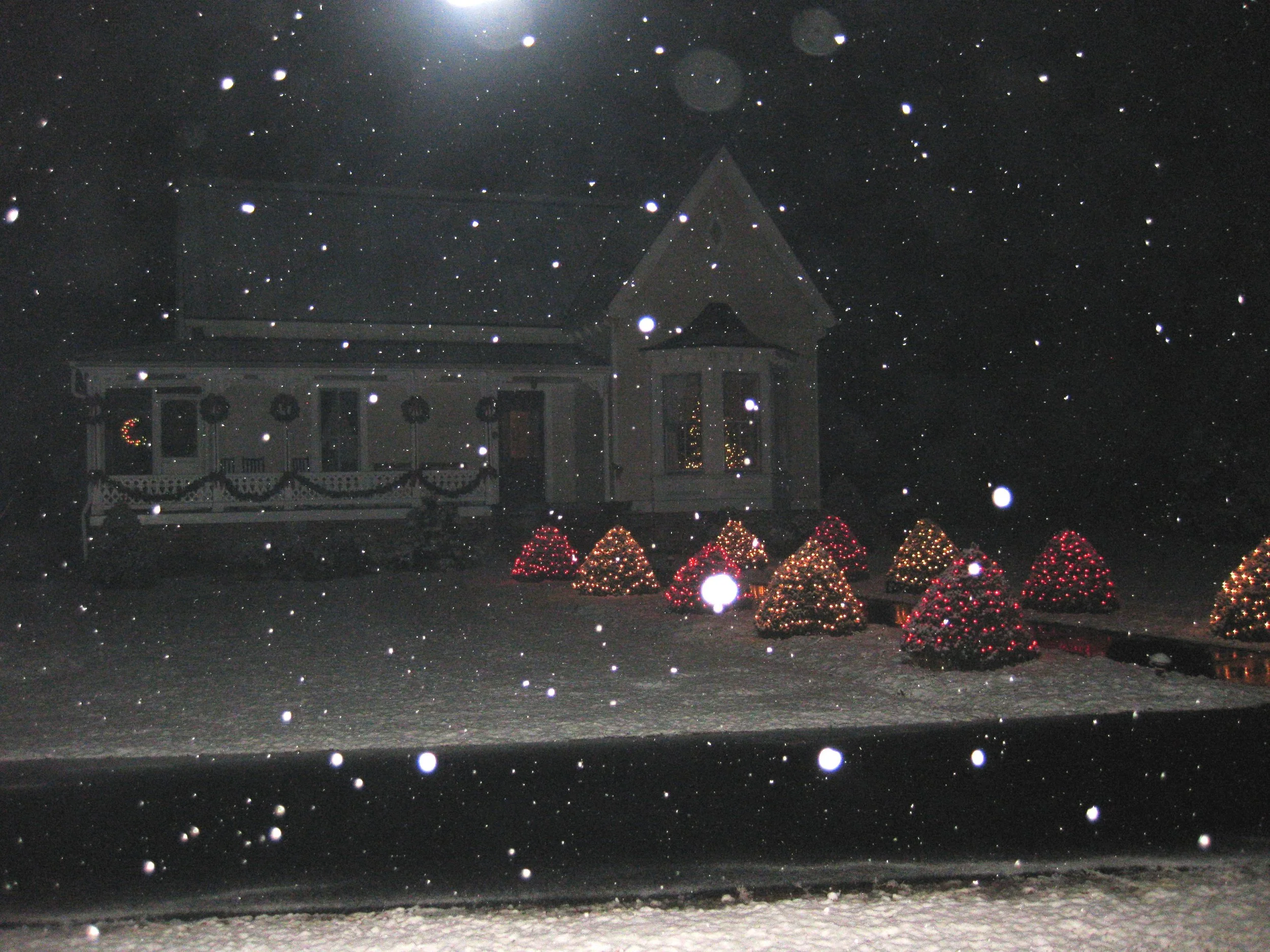
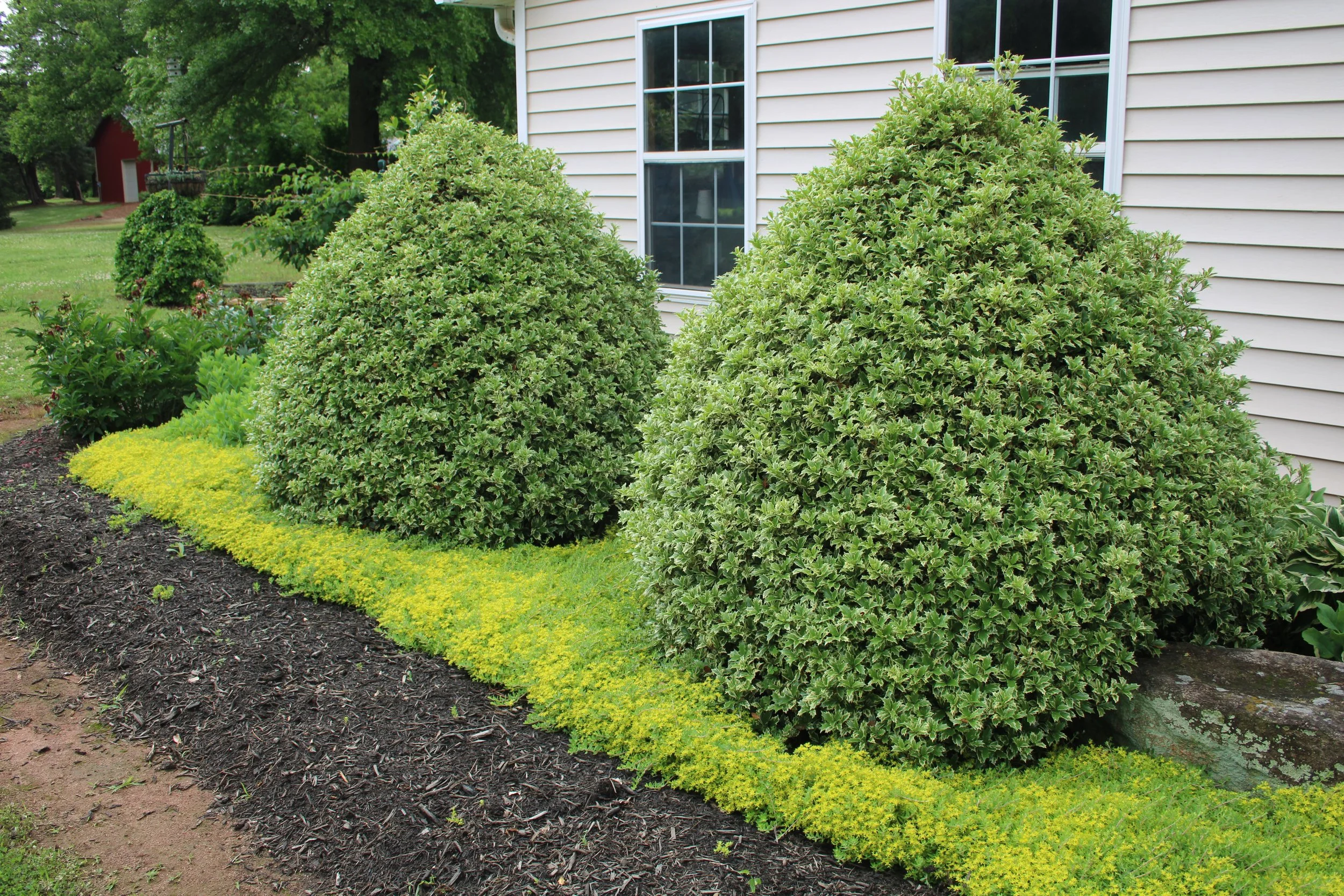
Osmanthus heterophyllus ‘Goshiki’ pruned to tight conical topiaries. The groundcover is Sedum acre.
Plan garden features that you love. But be realistic about the time needed to maintain them.
In a future blog, I will share how one type of topiary, called “poodling,” gave a misshapen conifer a new lease on life in my garden.