Natives

Silene, "Catchfly," a Native Winner

A couple of years ago, I purchased three tiny specimens at a native plant sale. They were labeled ‘Catchfly’ which caught my interest. A little research revealed that these were Silene caroliniana (sigh-LEEN kair-oh-lin-ee-AY-uh), and native to the southeast.

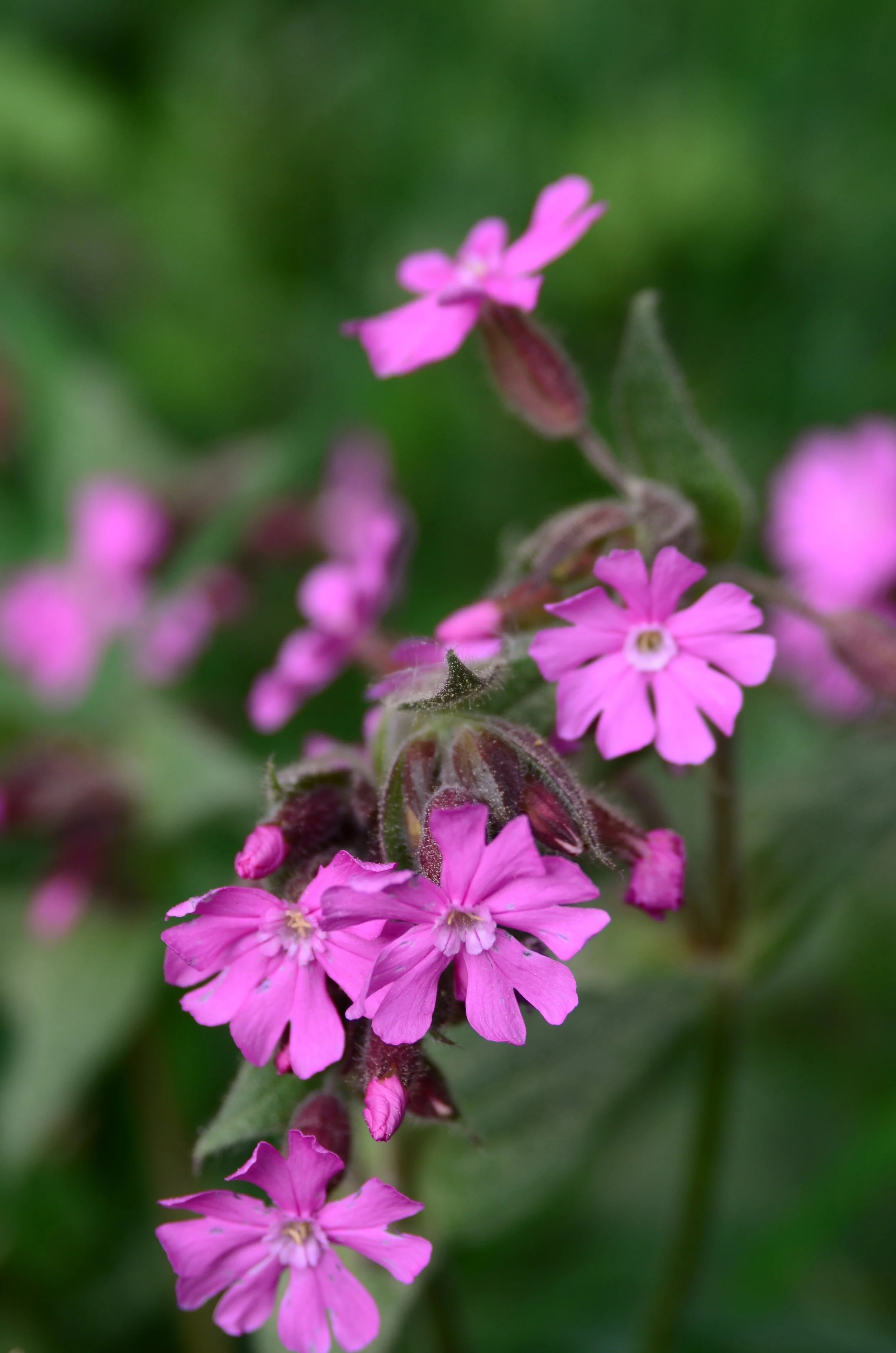
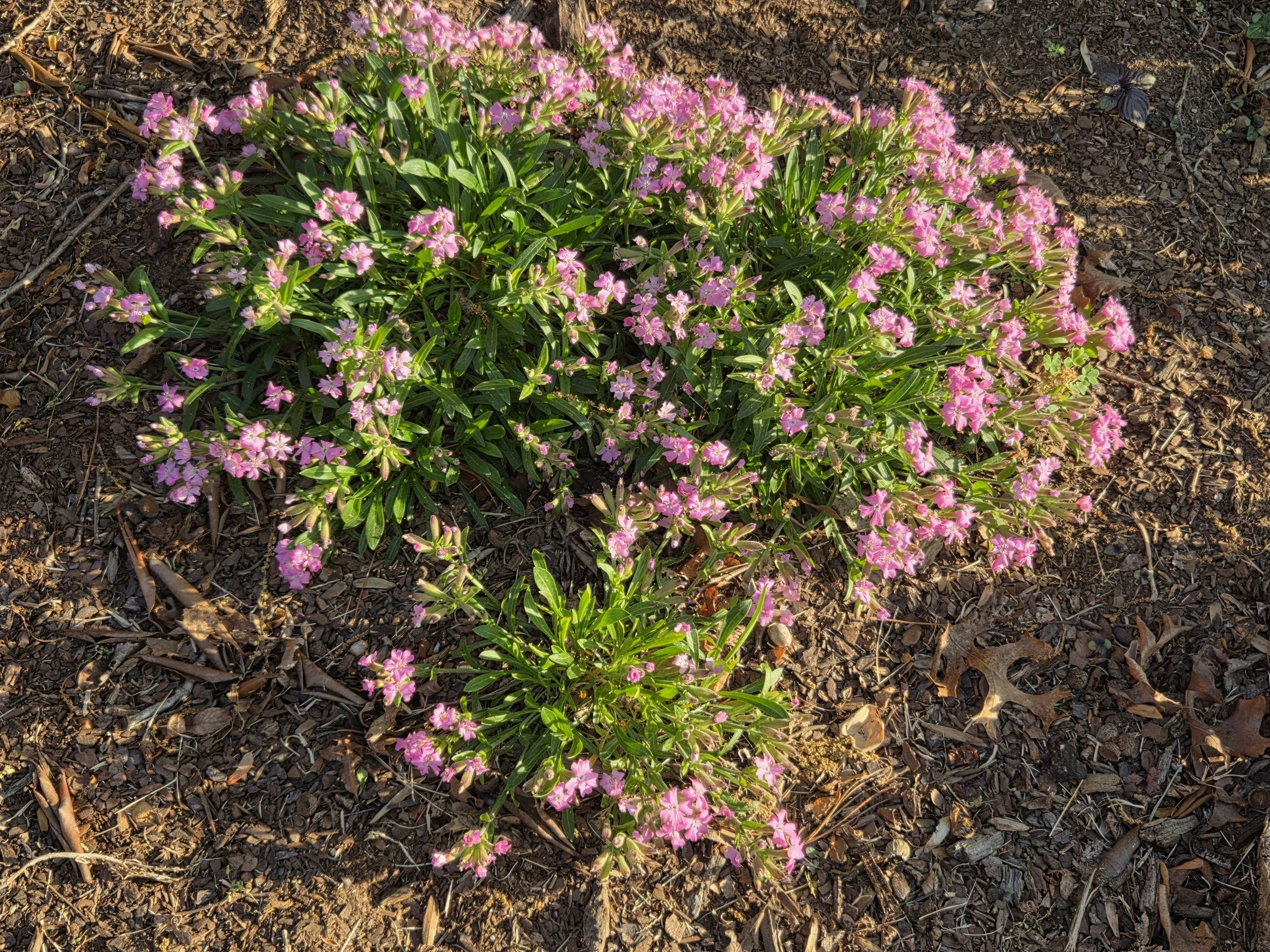
The plants didn’t do much more than survive their first year, but since then they put on a reliable spring show. Each plant formed into a rounded mound about ten inches tall and a similar width. Leaves are narrow and range in length from one inch to three inches. The rosy, five-petaled flowers look very much like phlox. The ‘catchfly’ name comes from the sticky hairs on the stems that discourage insects from eating them.  

Silene is easy to grow in full to part-sun, neutral to acidic soil, and any soil texture. They dislike wet soils but do well in gravely or sandy soil. Once established, they are drought tolerant and may be included in rock gardens, xeric gardens, or pollinator beds. Mine are in a sloped area that does not receive supplemental irrigation, and they have done fine without any extra care. Plants are semi-evergreen, and hardy in zones 5-8. Butterflies and hummingbirds visit the flowers, which occur only in the spring. The rest of the year, they are innocuous clumps of foliage that are easy to overlook.

I would like to have more Silene, but I have not attempted to propagate it yet. I understand that they can be raised from stem cuttings, but I hope that they will self-seed and spare me the trouble.

I’m always happy to discover a native that works for me, and Silene is a winner
Rambunctious Burnweed

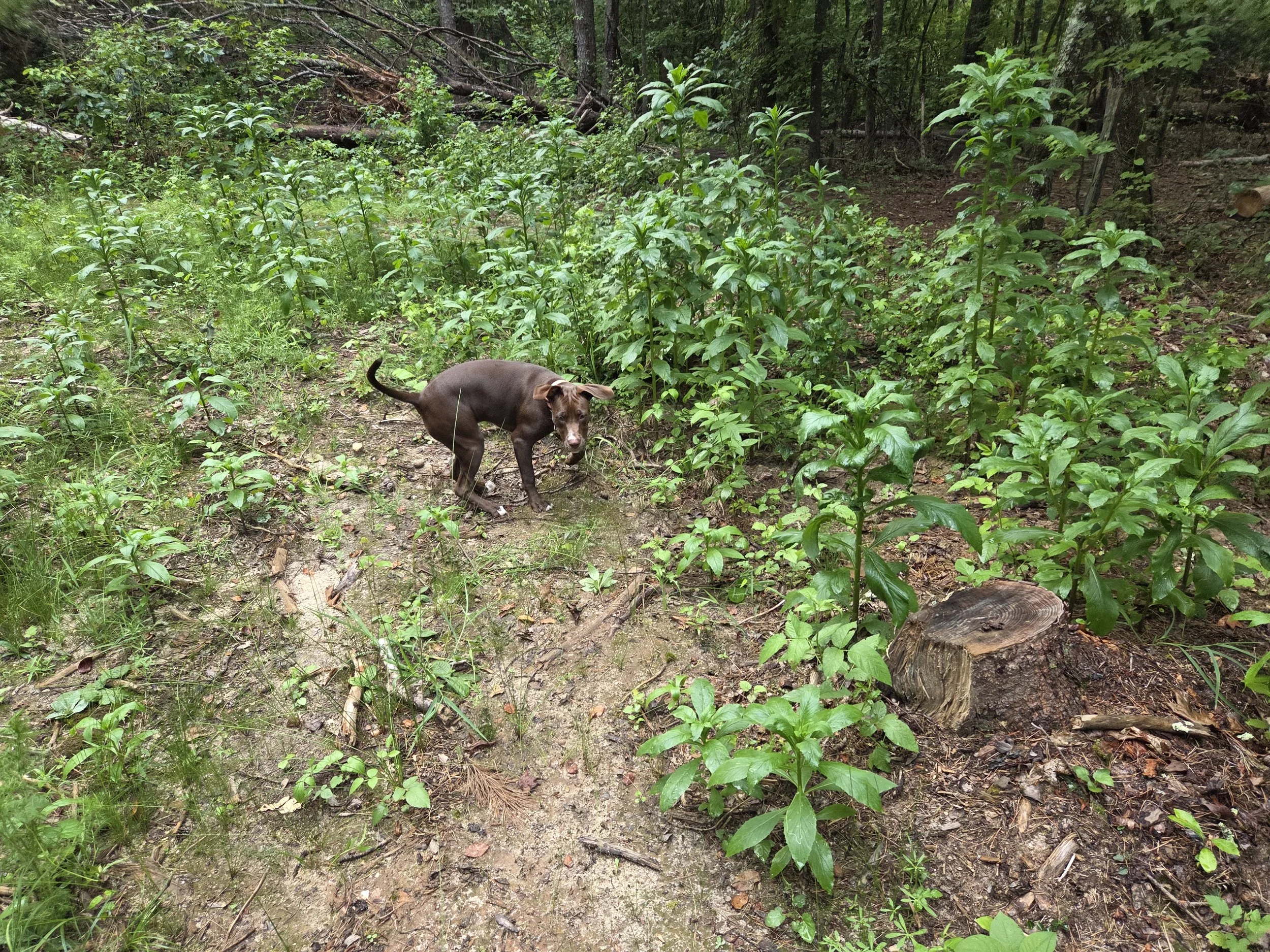
I have received a number of requests to identify a weed that seems to have appeared overnight in almost everyone’s garden. In reality, these have been present but they grow so rapidly that they are now capturing attention. Take a look at the accompanying photo. This is American Burnweed. Burnweed is an early succession plant, which means it is one of the first to move into areas where soils have been disturbed, either through cultivation, wildfires, flooding, or nature-caused chaos.

Burnweed is native to the US, but it is found across the world in most temperate climates. Genetically, it is in the Asteraceae family. Its correct Latin name is Erechtites hieraciifolius, which I can neither pronounce or spell without help.

The leaves of Burnweed are edible, cooked or raw, but not tasty. It poses no danger to pets and can be fed to rabbits or livestock. In the past, Burnweed has been used medicinally for treatment of conditions ranging from digestive upset to skin conditions to hemorrhoids. Long ago, it was processed to produce a blue dye for cloth. Pollinators enjoy nectar from the flowers. Burnweed also absorbs nitrogen from the air and deposits it in the soil, effectively acting as an air cleanser and natural fertilizer. While all these traits sound positive (with apologies to the Natives Only crowd), Burnweed has high potential for invasiveness. It reseeds like mad. Its yellow daisy-like flowers produce seeds with silk tails, similar to dandelion or thistle. The silken tails float on air, enabling the seeds to travel long distances where they fall to the ground and sprout into new plants. Burnweed grows so aggressively that it can choke out other plants by stealing their sun and water.

It is an entirely personal decision whether you choose to remove Burnweed from your garden, keep just a few plants, or grow a forest. They are shallow rooted, and easy to pull up, even when they have gained size. They can grow up to ten feet tall but are narrow in width. Burnweed is an annual, dying with the first hard freeze. If you feel the need to restrain them, you can hand-pull plants now or wait for spring to remove small seedlings.