Oenothera

Native Evening Primrose for Night Pollinators

For several years, I have walked by a small patch of yellow flowers that grows along the driveway in the edge of our woodlands. My mind would occasionally register them as flowering weeds, but not until this week did I pause for a closer look. Turns out, this weed is pretty enough to introduce to my pollinator garden. A quick image search identified it as Oenothera biennis (ee-no-THEE-ruh by-EN-is), or Evening Primrose. The word Primrose put me on high alert, since I once had a years-long battle to eradicate Pink Evening Primrose, Oenothera speciosa, from my garden. More research was needed.

What I learned is that this Evening Primrose is a biennial (obvious from the species name) that is native to the eastern US. The plant forms a rosette of leaves its first year, then shoots up to a height of 4-5 feet its second year and produces yellow flowers from June until frost. Narrow leaves are arranged spirally around the stems. Flowers open near sundown and close the next day. Plants die after setting seed, but their seeds sprout and grow into new plants so that they appear to be perennial. This ease of spread leads to a reputation for invasiveness. According to the NC State Plant Toolbox, “seeds can stay viable in the soil for up to 70 years.” That single fact means that I will probably cut most stems to the ground in late fall to prevent an overabundance of seedlings.

Like many other perennials, Evening Primrose prefers moist soil in full sun, but will tolerate partial shade, drought, and bad soil. Plants are hardy in zones 4-9. The upside of growing this plant, other than the beautiful yellow flowers, is that it supports night-flying moths, hummingbirds, and several varieties of bees. Birds enjoy the seeds.

Several tribes of Native Americans used boiled Evening Primrose roots for a food dish similar to our mashed potatoes. Leaves were cooked and eaten as greens. Leaves were also used medicinally as a stimulant or pain reliever.

I have reconsidered my plan to move a few plants into the pollinator bed adjacent to my home orchard. Instead, I will move them to a sunny, dry area that slopes sharply from my home down to a creek. The area has rocky clay and is not near any irrigation source. Evening Primrose can multiply in this area without invading cultivated areas. Its spread will be contained by the mowed pathways that crisscross the slope.
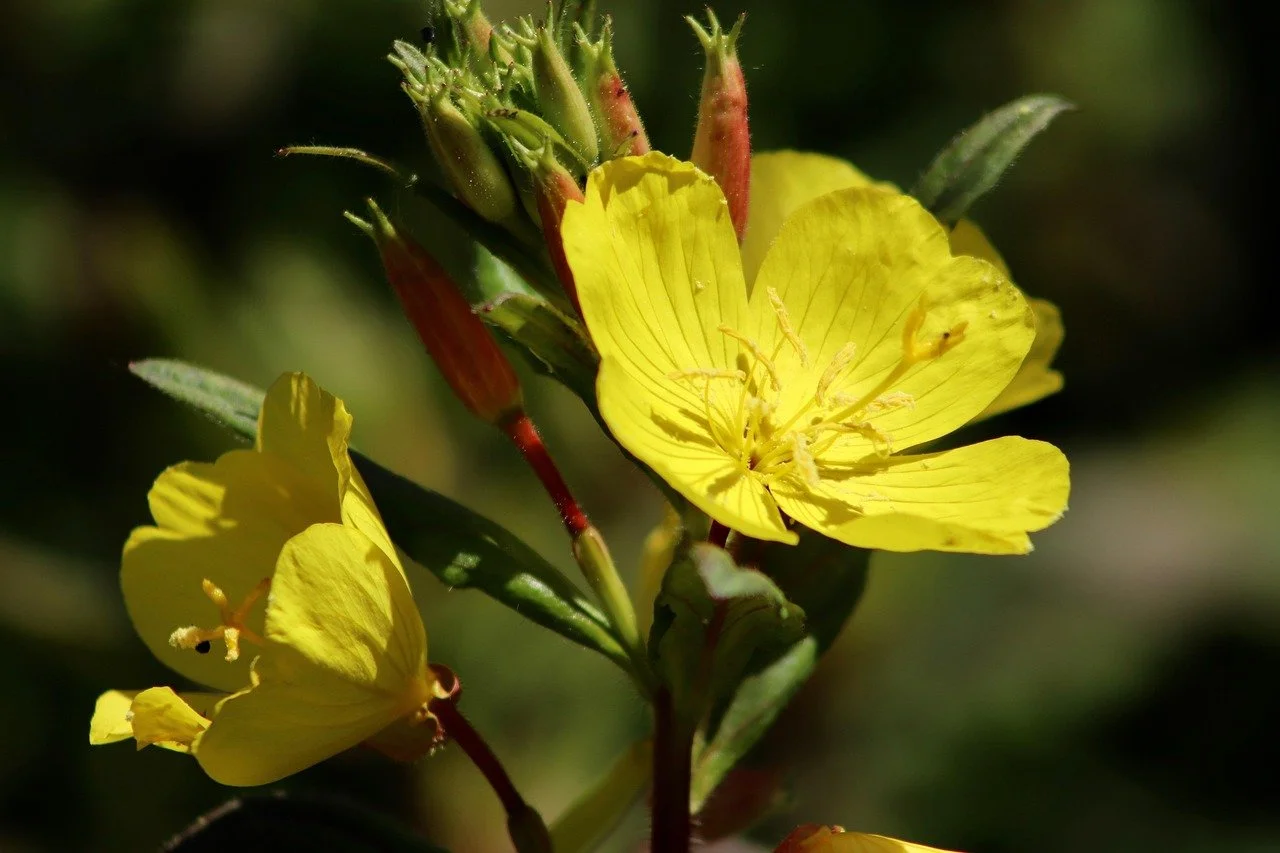
Close view of Evening Primrose flower
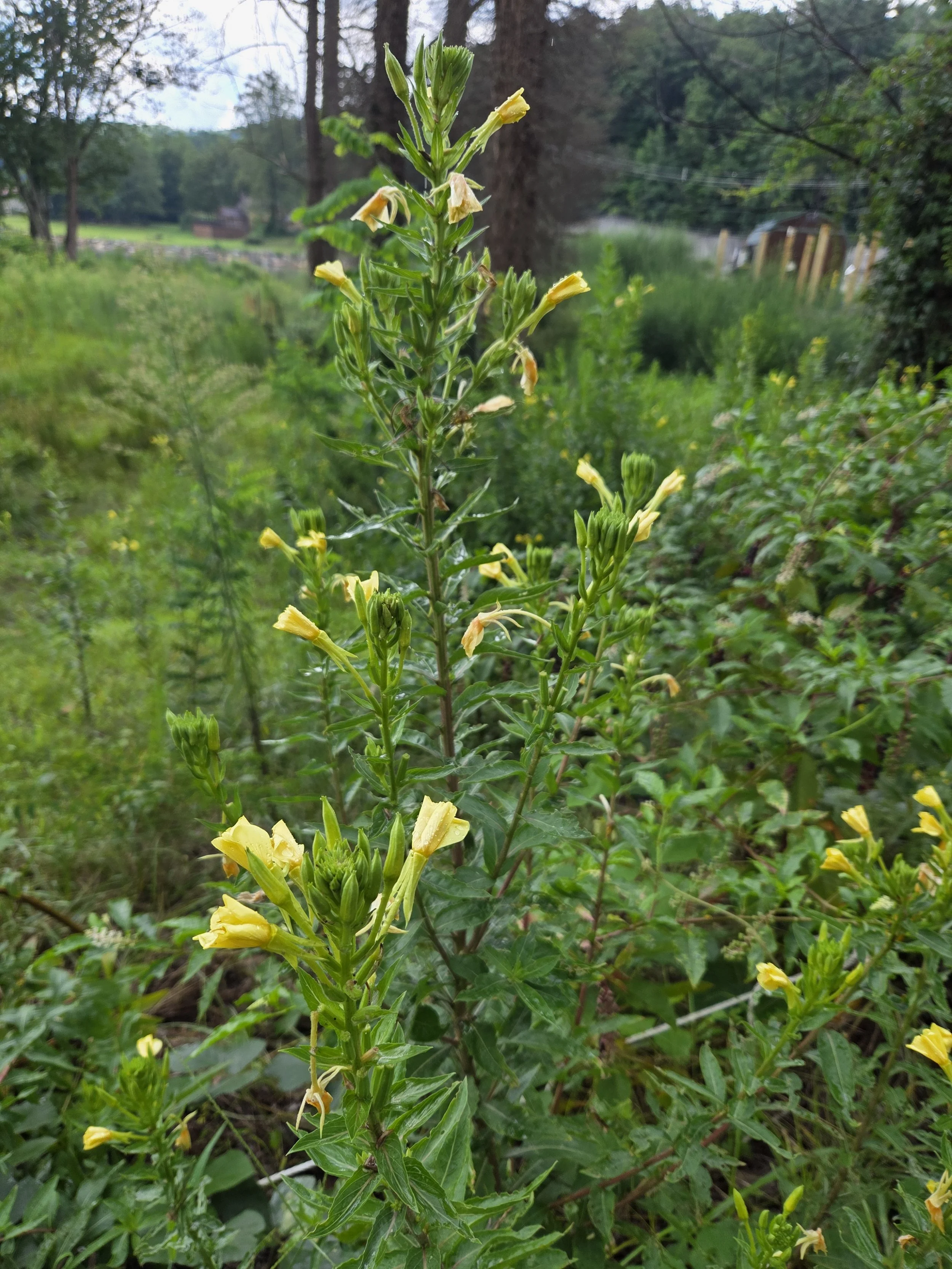
Flowers open at dusk and close the following mid-day, leading to the name Evening Primrose. These have already closed.

My Least-Favorite Plants

One of my regular blog readers asked if there were any plants that I DON’T like. Well, yes, there are a few.


Cortaderia selloana - Pampas Grass

Pretty from a distance. Up close, the razor-sharp leaf edges slice one to shreds. When it is time for the fall cutback, get out the meat-handlers metal mesh gloves and protect all skin.

Pampas Grass

Houttuynia cordata ‘Tricolor’ - Chamaeleon Plant

This spawn of Satan will spread out of control almost immediately upon touching soil. The crushed leaves smell awful (other common names include Dog’s Breath). I volunteered to help a friend remove this from her garden. It involved lots of digging and multiple applications of herbicide. After three months of vigilance, we thought the battle was won. A few months later, we found a piece that has snaked its way under a nine-foot width of concrete to encroach on her lawn.

Chameleon Plant has another common name, “Dog’s Breath” to describe the odor of its crushed foliage.


Oenothera ‘Siskyou’ - Pink Evening Primrose

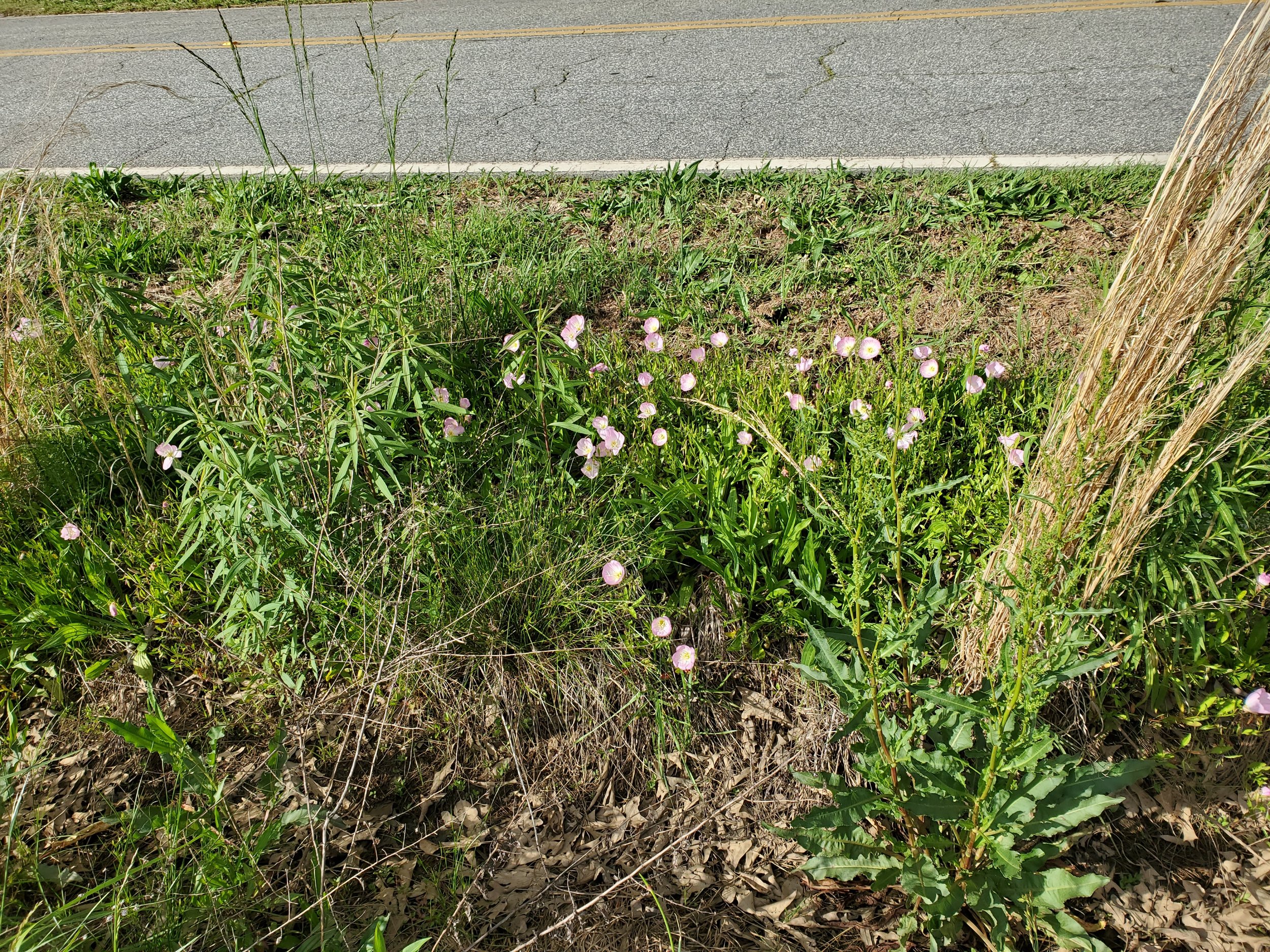
Impossible to eradicate. No matter how many times you pull it out, seedling pop up everywhere. When I worked in a garden center, customers would describe themselves as Plant Killers and ask for something un-killable. I blush to think of the number of times I placed one of these in their hands and assured them, “This plant will grow on a concrete block.” I hereby apologize to all you victims.


Pink Evening Primrose magically appears in unlikely places — like this roadside ditch alongside a highway.

Yucca

Needle-like points at the ends of the leaves draw blood when you swear you were at least ten feet away. I have mowed over these, dug out roots, sprayed herbicide, and done everything else in my gardener’s Box of Tricks to remove several of these that were planted by my husband’s grandmother. We finally moved. I expect to see a news item any day now where one popped through the concrete foundation of an apartment building that was erected above.

A flowering patch of Yucca, just waiting to draw blood.


Equisetum - Horsetail Rush

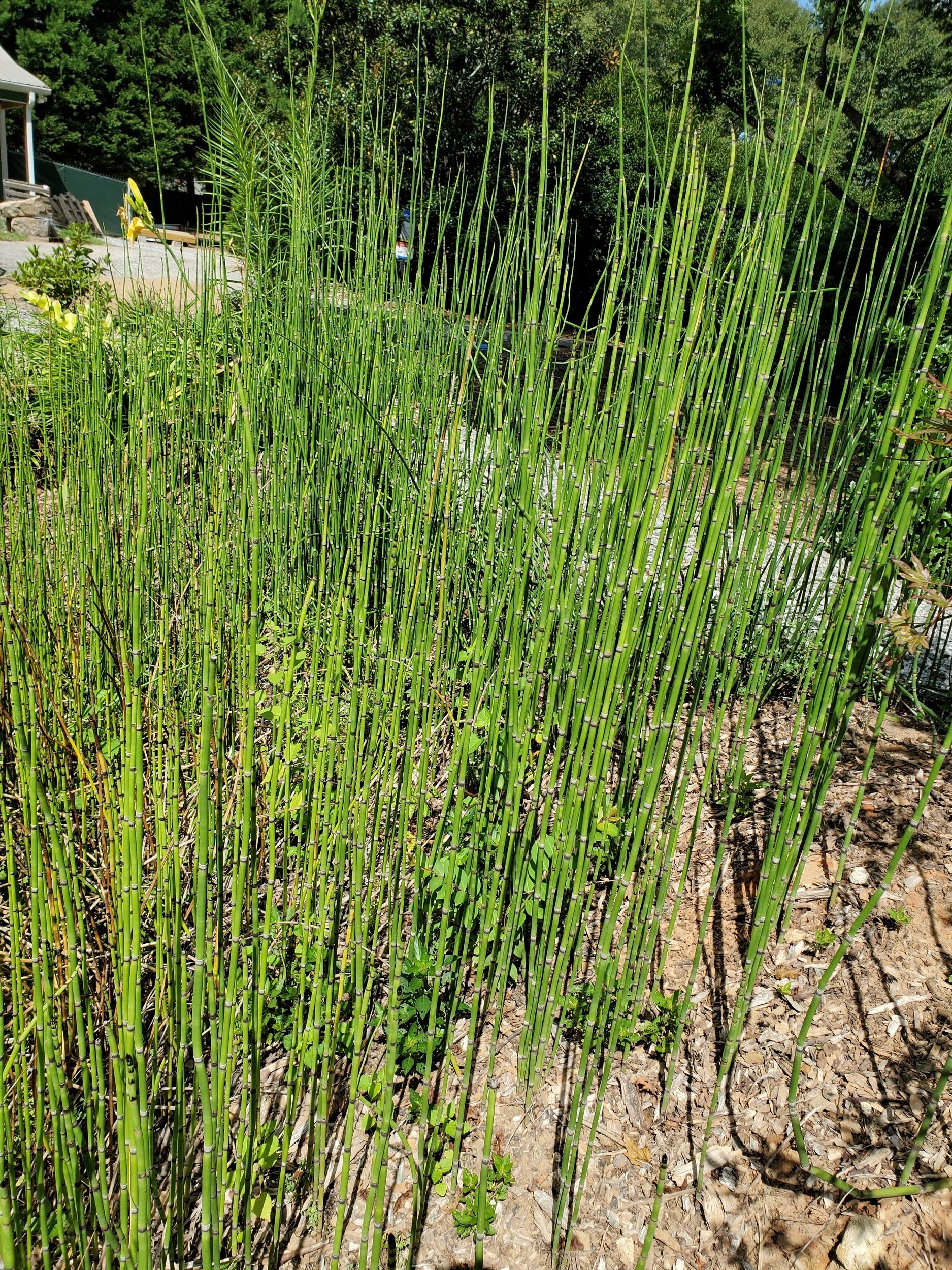
Prehistoric plant that should have died along with the dinosaurs. It is scratchy and coarse. Some gardeners find it attractive. To those, I say “keep it in a container” or you will be grubbing it out of your garden for the remainder of your life. It did not survive by being delicate.

Horsetail rush, a prehistoric survivor.

Vinca

Not an evil plant, but it spreads enthusiastically. Stems root wherever nodes touch soil. At my former home, a previous owner planted it against the foundation. At first, it concealed the brick under a lovely green screen, populated with blue flowers. It soon became a snake haven with the need for almost weekly trimming. This was one of the very few occasions in which I resorted to herbicide to eradicate a plant. I pulled all the dead stems and tossed them into the woods…where they came back to life and took over a half-acre while I was not watching. It is deer resistant.