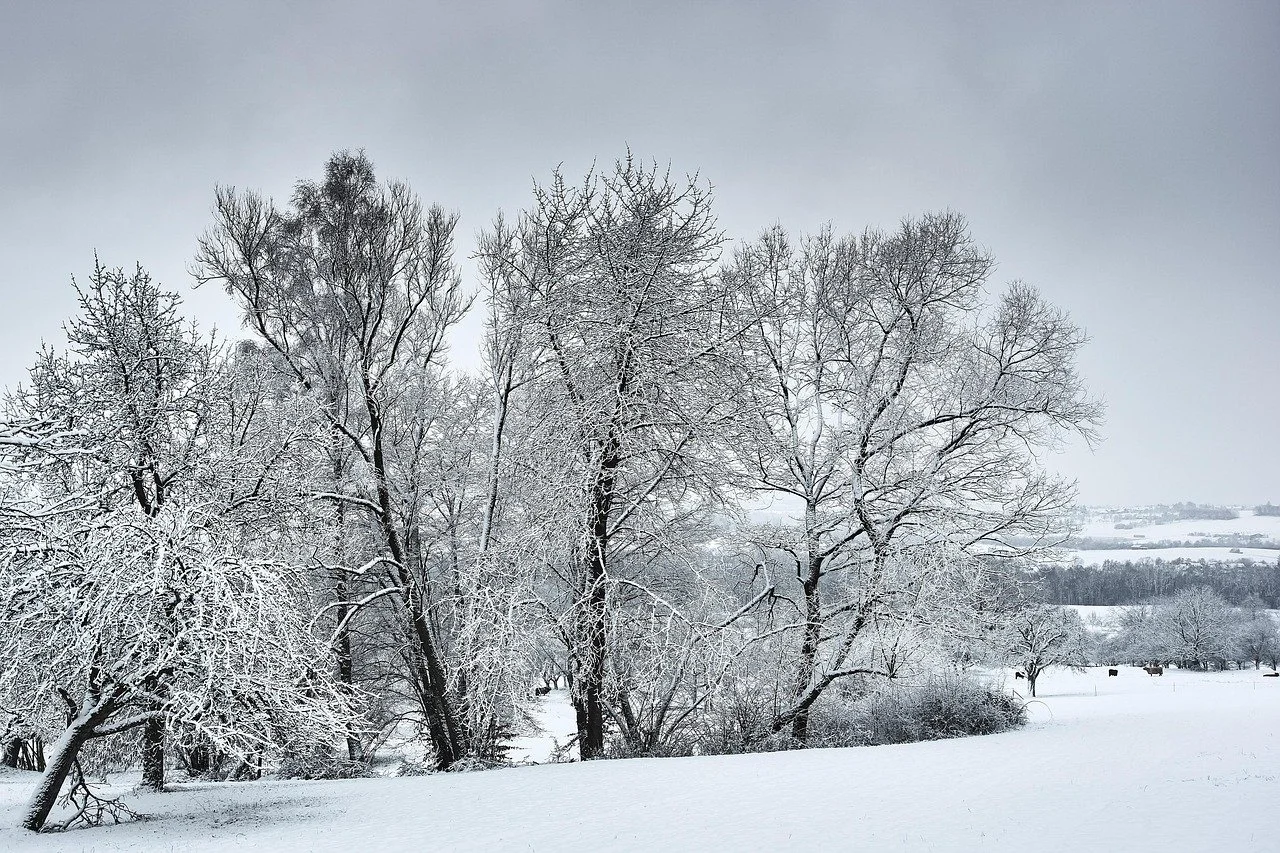
Like many others across the Southeast, my garden is wrapped in ice today. We are experiencing record-breaking cold temperatures, with power outages and frozen water pipes topping the list of concerns. My garden has taken a beating, and I expect to lose some plants that were marginally hardy for my Zone 8a conditions. Only time will tell.
Ice storms cause more damage to gardens than snowstorms. Light snow accumulation can usually be dislodged with a broom or pole and a gentle jostle to the limbs of broadleaf trees such as Southern Magnolia or conifers like my prized DeGroots Spire Arborvitae. Ice, on the other hand, adheres stubbornly to leaves and branches. Shaking shrubs or trees to remove it often causes more breakage than the ice itself. Waiting for warmer temperatures and sunlight to do the work is often the safest option.
For future winter weather events, there are a few steps you can take to help your plants survive:
Protect root zones. Before frigid temperatures arrive, cover the root zones with chopped leaves or coarse mulch. This should be temporary. Remove the material once temperatures moderate to prevent crown rot caused by excess moisture.
Shield vulnerable plants. Tent shrubs or small trees with shade cloth or old sheets to reduce ice accumulation. Use T-posts or upside-down buckets to prop the fabric above the plant so the weight of ice does not break limbs. If fabric is unavailable, evergreen boughs can also provide protection. This is a good use for an old Christmas tree, if you still have one. For especially tender plants, place a tomato cage around them and wrap the outside with cloth or plastic.
Move container plants. When severe cold is predicted, relocate dormant container plants to an unheated garage or storage building. The goal is to keep them cold enough to remain dormant, not warm enough to trigger spring growth. The same applies to shrubs or trees still in nursery pots awaiting planting. (I’m guilty here. I intended to plant my Pittosporums and Grey Owl Juniper weeks ago, but that didn’t happen.)
Manage snow carefully. If snow is the issue, gently remove it from branches with a light shake or a leaf blower, but allow it to remain around the base of plants for insulation. It may seem counterintuitive, but snow maintains a temperature of about 32°F, while surrounding air can be much colder.
Support conifers. Ice can cause conifers to spraddle and break. Shorter specimens can be loosely wrapped with rope to hold their form, but be sure to remove the rope as soon as the ice melts to avoid damaging the plant.
Do not water plants when soil temperatures are below freezing.
Avoid walking across ice-covered sod. Even dormant lawns may show breakage or footsteps when they green up in the spring. Give special TLC to anything recently planted in your garden. Even if listed as hardy in your zone, those plants may not be well-established. Of course, the “too little, too late” advice is to select plants for your particular hardiness zone.
It make take weeks for damage to reveal itself among your garden plants. Please be patient and wait for the arrival of spring. Prune only to remove broken limbs.
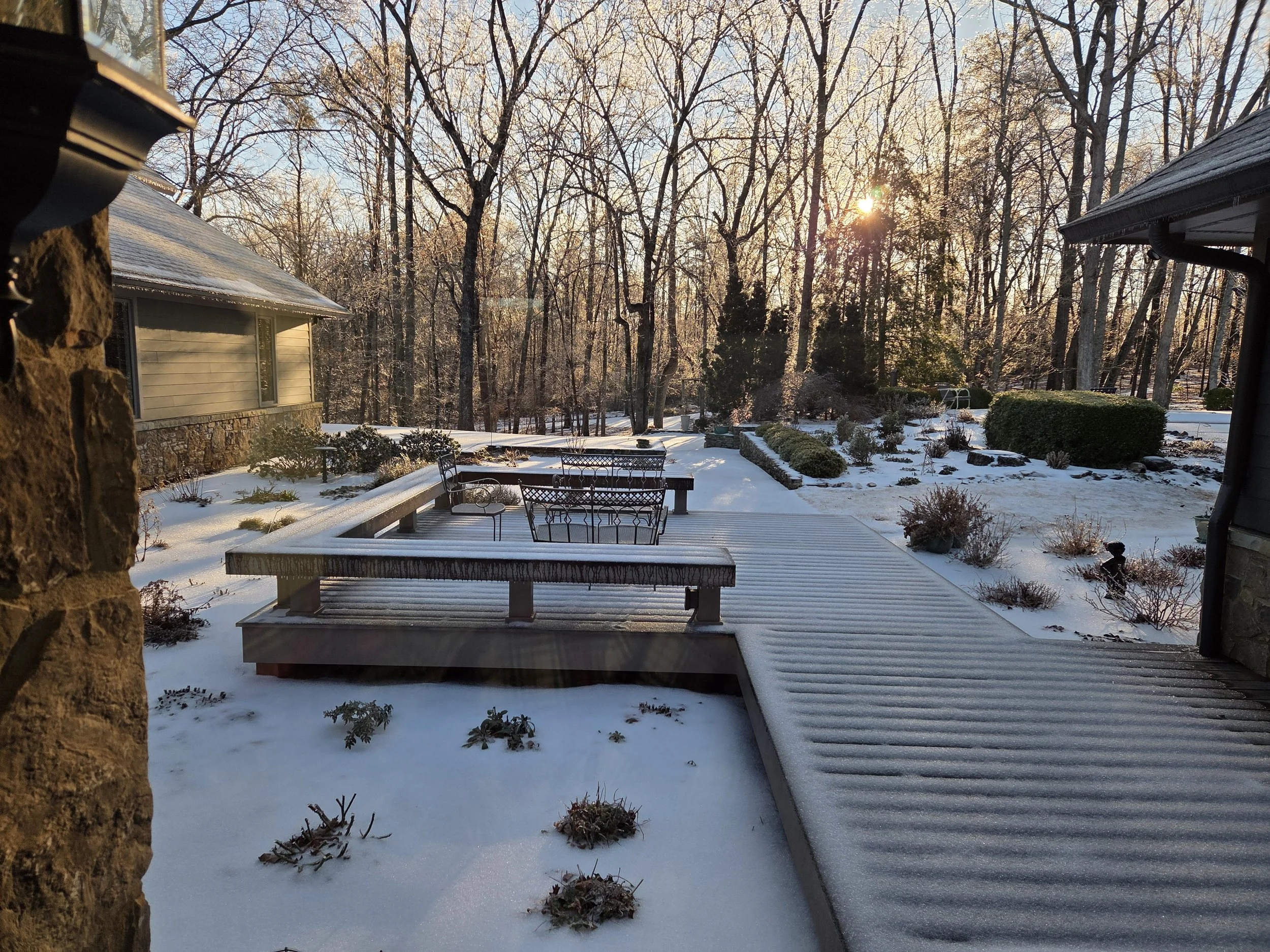
Early in the storm, we had a light dusting of snow and I breathed a premature sigh of relief. Later in the day, freezing rain turned this same view outside my front door into an ice sculpture.